What Is TMS Therapy and How Does It Work?
Mental health treatment has evolved significantly in recent years, offering new options for individuals who have not found sufficient relief through traditional approaches. One of the most important advancements is Transcranial Magnetic Stimulation (TMS) therapy, a non-invasive treatment designed to target specific areas of the brain associated with mood regulation.
At Connecticut TMS LLC, we provide TMS therapy as part of a personalized approach to care, particularly for individuals experiencing treatment-resistant depression and related conditions.
Understanding TMS Therapy
TMS therapy is an FDA-approved treatment that uses magnetic pulses to stimulate nerve cells in the brain. It is most commonly used to treat major depressive disorder, especially in cases where standard treatments such as medication have not produced the desired results.
Unlike medications, which affect the entire body, TMS therapy is localized. It focuses on specific regions of the brain that are involved in mood regulation, allowing for a more targeted approach.
Because it is non-invasive, TMS does not require surgery, anesthesia, or sedation. Patients remain awake and alert throughout each session.

How TMS Works in the Brain
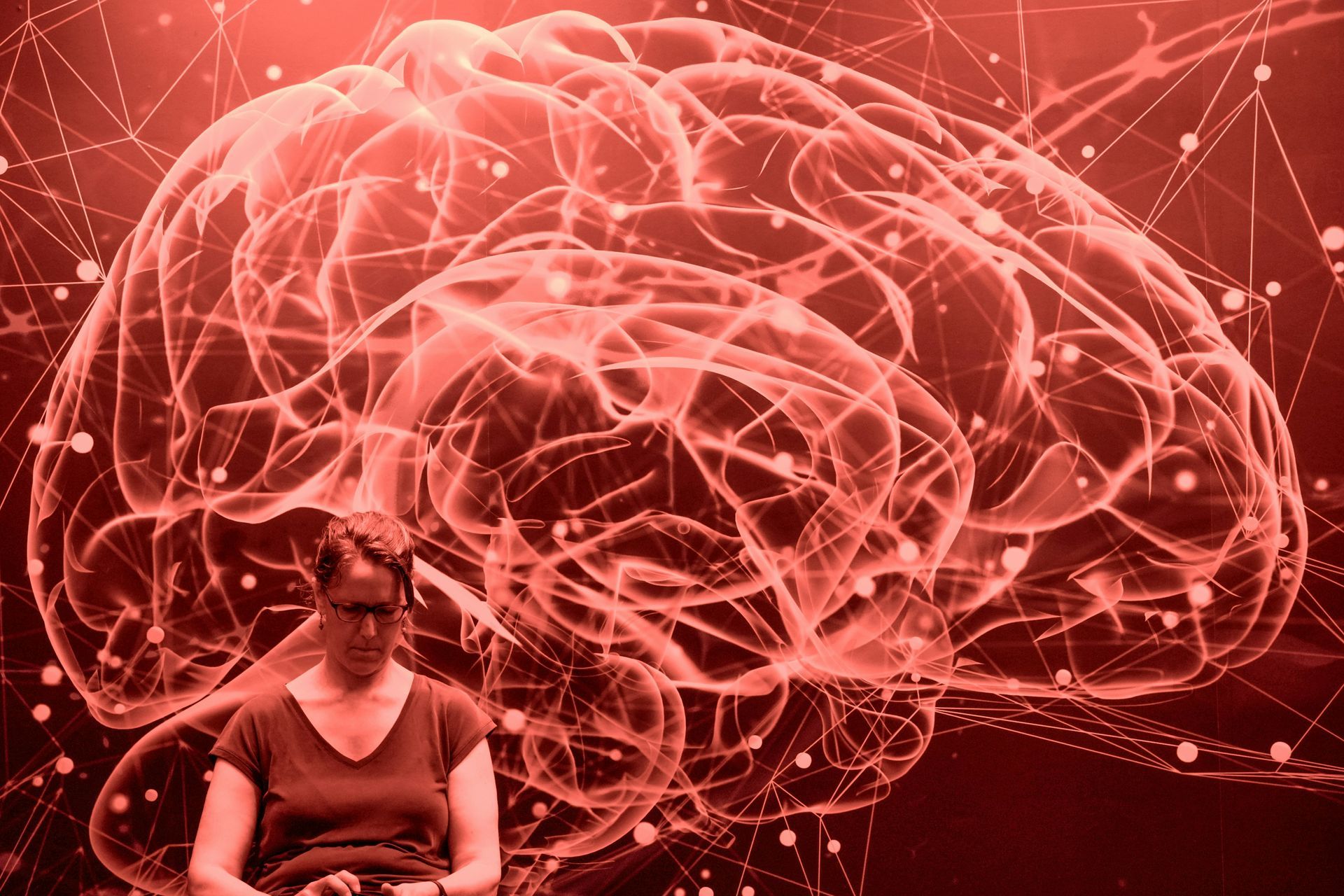
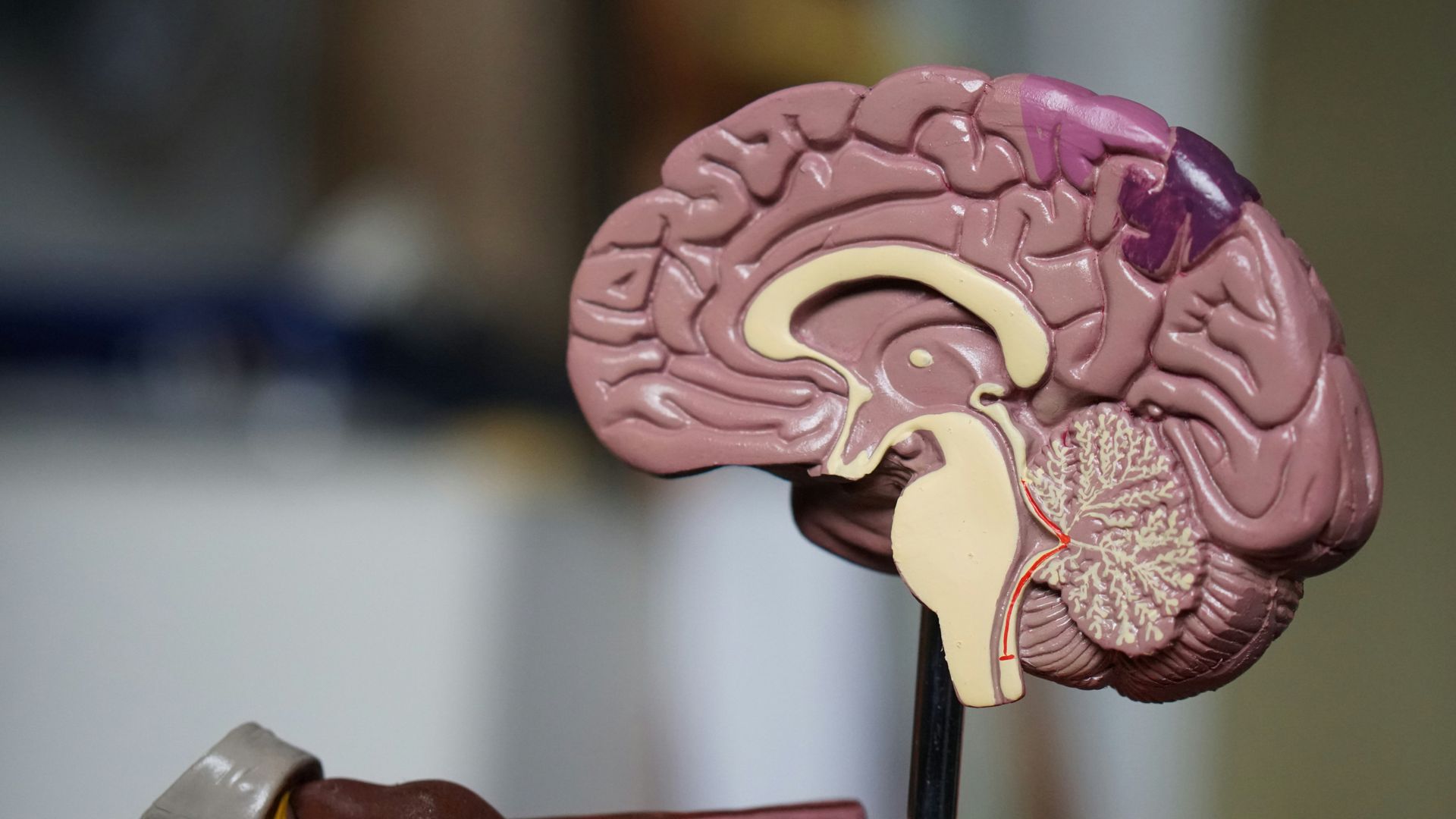
TMS therapy works by delivering magnetic pulses to a specific area of the brain known as the prefrontal cortex. This region plays a key role in regulating mood, decision-making, and emotional response.
In individuals with depression, activity in this area is often reduced. TMS uses carefully controlled magnetic stimulation to activate these underactive neural pathways. Over time, this stimulation helps improve communication between different regions of the brain.
This process is associated with
neuroplasticity, the brain’s ability to adapt and form new connections. By encouraging these changes, TMS therapy may help reduce symptoms and improve overall mood.

What to Expect During Treatment
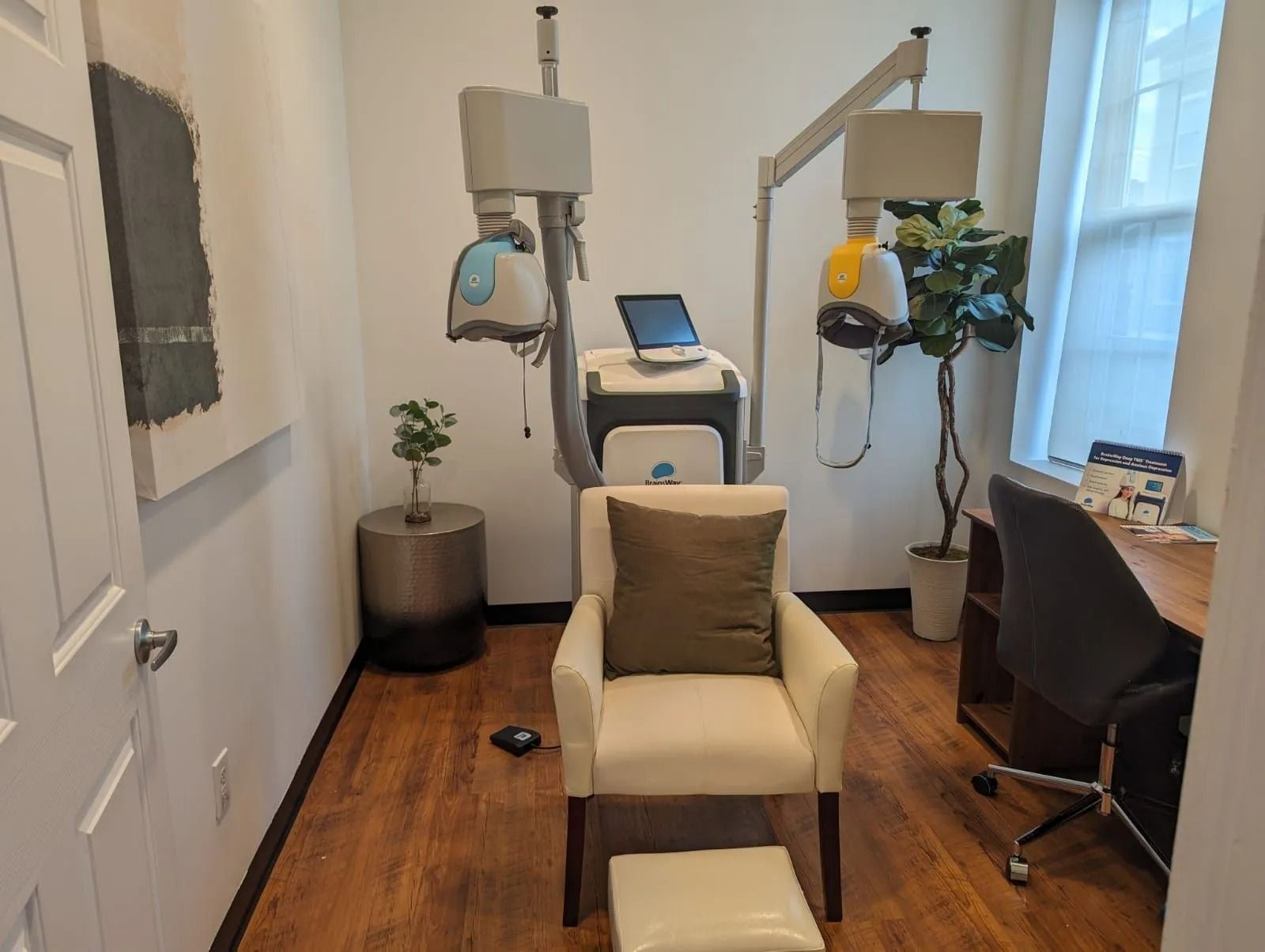
TMS therapy is performed in a clinical setting under the supervision of trained professionals. Each session follows a structured process designed for safety and consistency.
During treatment:
- A small device is placed against the scalp
- Magnetic pulses are delivered to the targeted area
- The patient remains seated and awake throughout the session
Sessions typically last around 20 minutes, making it possible to fit treatment into a regular daily schedule. Most patients return to normal activities immediately afterward, including work or personal responsibilities.
A full course of treatment usually involves multiple sessions over several weeks, allowing the brain to gradually respond to the stimulation.
Who May Benefit From TMS Therapy
TMS therapy is most commonly recommended for individuals who have not experienced sufficient improvement with antidepressant medications. This is often referred to as treatment-resistant depression.
It may also be considered for individuals who:
- Prefer a non-invasive treatment option
- Have experienced unwanted side effects from medication
- Are looking for a targeted approach to mental health care
At Connecticut TMS LLC, we begin with a comprehensive evaluation to determine whether TMS therapy is an appropriate option. Each treatment plan is tailored to the individual, ensuring that care is aligned with their specific needs and history.

Advantages of a Non-Invasive Approach
One of the key benefits of TMS therapy is that it does not involve systemic medication. This reduces the likelihood of certain side effects that can occur with oral treatments.
In addition, because patients remain awake and do not require recovery time, the treatment fits more easily into daily life. This makes it a practical option for individuals balancing work, family, and other responsibilities.
The combination of targeted treatment and minimal disruption is part of what makes TMS therapy an important option in modern mental health care.

TMS as Part of a Comprehensive Plan
While TMS therapy can be highly effective, it is typically part of a broader treatment strategy. At Connecticut TMS LLC, we integrate TMS with other services such as medication management and, when appropriate, additional interventional therapies.
This comprehensive approach allows us to address multiple aspects of mental health and support long-term improvement. Treatment is not one-size-fits-all, and ongoing evaluation ensures that each patient’s plan evolves as needed.
A New Path Forward
For individuals who have struggled to find relief through traditional treatments, TMS therapy offers a different approach. By directly targeting brain activity and supporting neural function, it provides an alternative pathway toward improved mental wellness.
At Connecticut TMS LLC, we are committed to delivering personalized, evidence-based care using advanced treatment options like TMS therapy. If you are exploring new solutions for depression or would like to learn more about how TMS works, contact Connecticut TMS LLC to schedule a consultation and discuss your options.