BLOG

Depression is one of the most common mental health conditions worldwide, yet it remains widely misunderstood. Misconceptions about depression can discourage people from seeking treatment, create unnecessary stigma, and leave individuals feeling isolated during an already difficult time. Fortunately, ongoing research has improved our understanding of depression and expanded the range of evidence-based treatment options available to patients. Learning to separate myths from facts is an important step toward recognizing depression as a legitimate medical condition that deserves compassionate, individualized care. Connecticut TMS LLC provides comprehensive psychiatric services, including Transcranial Magnetic Stimulation ( TMS ), Spravato® , ketamine-based treatments , medication management , and personalized treatment planning for individuals who may benefit from advanced mental health care.
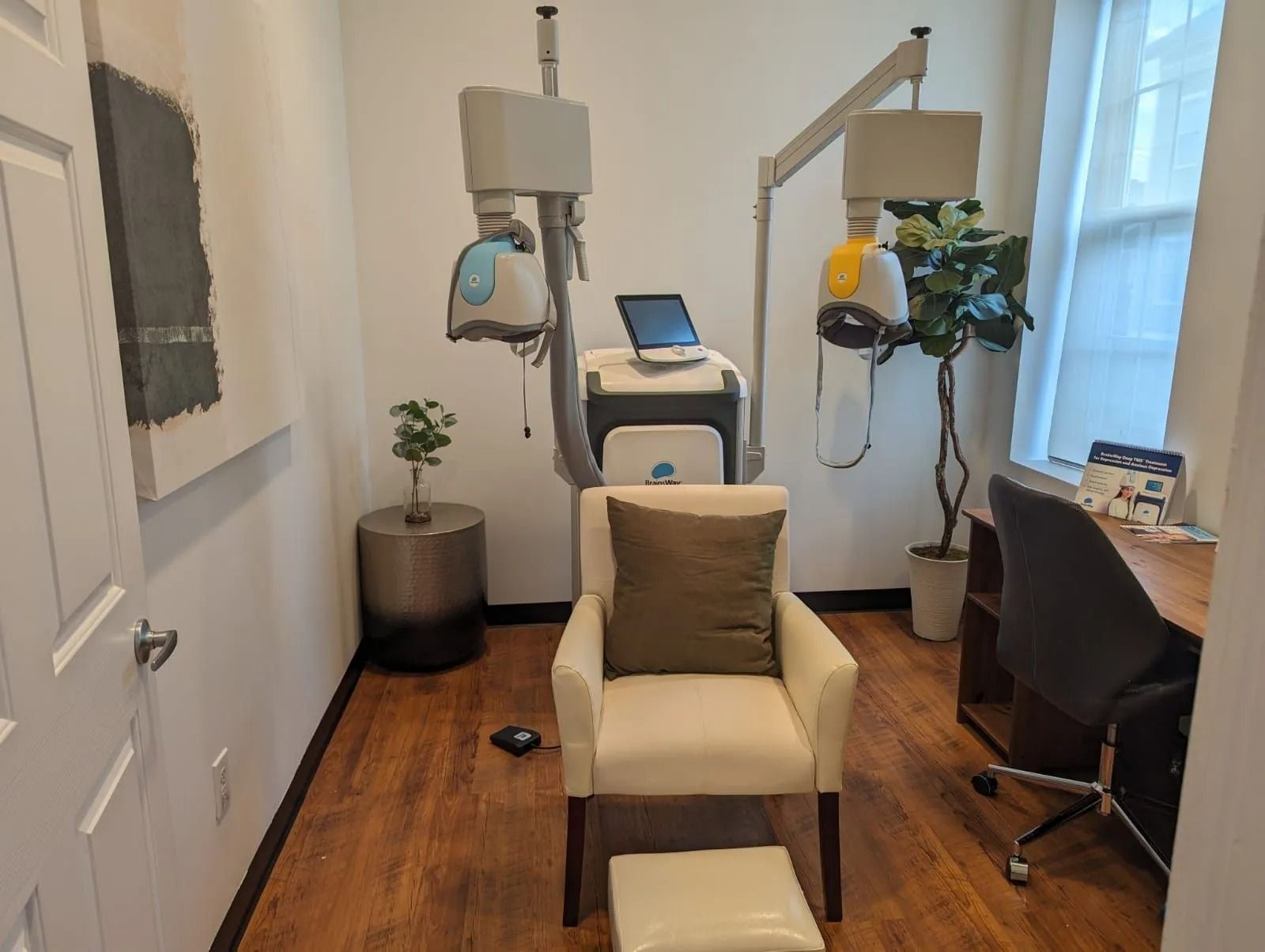
For individuals living with depression that has not improved with traditional treatment approaches, exploring additional options can feel overwhelming. One treatment that has received increasing attention over the past two decades is Transcranial Magnetic Stimulation ( TMS ). This non-invasive therapy is designed to stimulate specific areas of the brain associated with mood regulation and is an FDA-cleared treatment for certain patients with major depressive disorder. Understanding how TMS works can help patients feel more informed as they discuss treatment options with their mental health provider. At Connecticut TMS LLC, TMS is one of several evidence-based therapies offered as part of a personalized approach to psychiatric care. Understanding the Science Behind TMS TMS uses precisely targeted magnetic pulses to stimulate nerve cells in regions of the brain involved in regulating mood . During treatment, an electromagnetic coil is positioned against the scalp near the forehead. The device generates brief magnetic pulses that pass through the skull and activate neurons in a targeted area of the brain. Unlike electrical stimulation, the magnetic field passes comfortably through the scalp without surgery or implanted devices. The treatment is carefully calibrated for each individual to deliver stimulation in a controlled and consistent manner. Researchers continue to study exactly how TMS influences brain function, but current evidence suggests that repeated stimulation may help modify activity within neural networks involved in depression and other psychiatric conditions.
When seeking mental health care, it is natural to want treatment that is supported by more than hope alone. Evidence-based psychiatry combines the latest scientific research, clinical expertise, and each patient’s individual needs to guide treatment decisions. Rather than relying on trends or one-size-fits-all approaches, evidence-based care focuses on therapies that have been carefully studied for their safety and effectiveness. At Connecticut TMS LLC, evidence-based psychiatry serves as the foundation for developing personalized treatment plans that help patients explore appropriate options for managing depression and other mental health conditions. What Does “Evidence-Based” Mean? Evidence-based medicine is an approach to healthcare that integrates three important components : The best available scientific research The clinical experience of qualified healthcare providers The patient’s individual circumstances, preferences, and treatment goals In psychiatry, this means treatment recommendations are based on carefully conducted clinical studies, established medical guidelines, and ongoing evaluation rather than assumptions or outdated practices. Every patient is unique, so evidence-based care also recognizes that the most appropriate treatment for one individual may not be the best option for another.

Sleep is one of the foundations of overall health. Along with regular physical activity, balanced nutrition, and meaningful social connections, healthy sleep habits contribute to both physical and emotional well-being. Although sleep alone cannot prevent or treat mental health conditions, research has consistently shown that sleep and mental health are closely connected. For individuals receiving care for depression, anxiety, or other mental health conditions, maintaining healthy sleep habits may complement a comprehensive treatment plan developed by their healthcare provider. The Connection Between Sleep and Mental Health Sleep affects many of the body’s essential functions. During sleep , the brain processes information, supports memory, and helps regulate numerous biological systems. When sleep is disrupted or consistently inadequate, people may experience increased fatigue, difficulty concentrating, irritability, or changes in mood. It is also common for mental health conditions themselves to affect sleep. Some individuals have trouble falling asleep, while others may wake frequently during the night or sleep longer than usual. Because sleep and mental health can influence one another, addressing both is often an important part of comprehensive care.

Everyone experiences periods of sadness, disappointment, or emotional stress from time to time. These feelings are a normal part of life and often improve as circumstances change. However, when emotional symptoms persist, become overwhelming, or begin interfering with daily life, it may be time to seek professional support. Recognizing when depression requires medical attention is not always easy. Symptoms can develop gradually, making it difficult to distinguish between a temporary emotional challenge and a condition that may benefit from evaluation and treatment. Understanding the warning signs can help individuals take an important first step toward improving their mental health. Depression Can Affect More Than Mood Depression is often associated with persistent sadness, but its effects frequently extend far beyond emotions. Some people experience changes in sleep, appetite, energy levels, concentration, or motivation. Others may lose interest in hobbies they once enjoyed or find it difficult to complete everyday responsibilities at work, school, or home. Physical symptoms such as fatigue, unexplained aches, or changes in activity level may also accompany depression. Because symptoms vary from person to person, depression does not always look the same.

Treatment-resistant depression can feel discouraging. Learn what to do when antidepressants stop working and when to call for help.

Depression can affect nearly every aspect of a person’s life, but when symptoms persist for an extended period, the emotional challenges may become even more complex. Individuals living with chronic or persistent depression often face difficulties that extend beyond low mood alone. Relationships, work, hobbies, and daily routines may all be influenced by symptoms that continue over months or even years. Understanding the emotional impact of chronic depression is important not only for those experiencing it, but also for family members and loved ones. Greater awareness can encourage meaningful conversations and help people recognize when professional evaluation and treatment may be appropriate. Chronic Depression Can Affect More Than Mood Many people associate depression primarily with sadness, but its emotional effects are often much broader. Some individuals experience feelings of emptiness, frustration, hopelessness, or a reduced ability to enjoy activities they once found meaningful. Others describe feeling emotionally “flat” or disconnected from experiences that previously brought happiness. These symptoms may fluctuate over time, and every person’s experience is different. Chronic depression does not look exactly the same from one individual to another.

Depression affects millions of people and can have a significant impact on daily life, relationships, work, and overall well-being. While traditional antidepressant medications have helped many individuals manage their symptoms, they do not work the same way for everyone. Some people continue to experience depression despite trying one or more medications, leading healthcare providers to explore additional treatment options. One of those options is Spravato® (esketamine), a prescription medication approved for certain adults with treatment-resistant depression and other specific indications. Although both Spravato® and traditional antidepressants are used in the treatment of depression, there are important differences between them. Understanding those differences can help patients have more informed conversations with their healthcare providers.

For individuals living with depression that has not responded adequately to traditional treatments, learning about alternative options can feel both hopeful and overwhelming. Ketamine therapy has received increasing attention in recent years as part of the growing field of interventional psychiatry, leading many patients to wonder what the treatment experience is actually like. While every patient’s treatment plan is unique, understanding the general process can help reduce uncertainty and allow individuals to have more informed conversations with their healthcare providers. Understanding the Purpose of Ketamine Therapy Ketamine-based treatments are sometimes considered for individuals who have not achieved sufficient symptom relief through conventional approaches such as antidepressant medications and psychotherapy alone. Unlike many traditional antidepressants, ketamine-based therapies work through different mechanisms in the brain. As a result, they have become an area of interest for patients and clinicians seeking additional treatment options for certain mental health conditions. Before beginning treatment, patients typically undergo a thorough evaluation to determine whether ketamine therapy may be an appropriate part of their overall care plan.

Depression is one of the most common mental health conditions, affecting millions of people each year. Many individuals find relief through psychotherapy, antidepressant medications, lifestyle changes, or a combination of treatments. However, for some people, depression symptoms persist despite their best efforts and ongoing care. When this occurs, mental health professionals may refer to the condition as treatment-resistant depression. While the term can sound discouraging, it is important to understand that treatment-resistant depression does not mean depression is untreatable. Instead, it means that traditional treatment approaches have not provided adequate symptom relief and that additional options may need to be explored. What Is Treatment-Resistant Depression? Treatment-resistant depression generally refers to depression that has not responded sufficiently to one or more standard treatment approaches. A person may continue experiencing symptoms despite taking prescribed medications, participating in therapy, or following a treatment plan recommended by their healthcare providers. The experience can be frustrating. Many patients begin treatment expecting gradual improvement, only to find that symptoms continue affecting their daily lives. This can lead to feelings of discouragement and uncertainty about what steps to take next. Fortunately, mental health treatment has evolved significantly in recent years, creating more options for individuals who have not found relief through conventional methods alone.
For individuals exploring treatment options for depression, Transcranial Magnetic Stimulation, commonly known as TMS therapy, may seem unfamiliar at first. Many prospective patients understand that TMS is a non-invasive treatment used for certain mental health conditions, but they often have questions about what actually happens during a session and what the experience is like. Understanding the treatment process can help reduce uncertainty and allow patients to make more informed decisions about their mental health care. What Is TMS Therapy? TMS therapy is a non-invasive treatment that uses targeted magnetic pulses to stimulate specific areas of the brain associated with mood regulation. Unlike surgical procedures, TMS does not require anesthesia, sedation, or implanted devices. The treatment is typically performed in an outpatient setting, allowing patients to return home afterward without the recovery period associated with many medical procedures. TMS is often considered for individuals experiencing treatment-resistant depression or those seeking alternative approaches when traditional treatments have not provided sufficient symptom relief.

Depression is often discussed in terms of mood, sadness, or emotional distress, but persistent depression can affect far more than emotions alone. For many individuals, ongoing depression gradually influences daily routines, physical energy, relationships, concentration, motivation, and overall quality of life. In some cases, these effects develop so gradually that people may not immediately recognize how significantly their daily functioning has changed over time. At Connecticut TMS LLC, we work with patients experiencing treatment-resistant depression and other ongoing mental health challenges. Understanding how persistent depression affects everyday life is an important part of recognizing when additional support or alternative treatment approaches may be needed.