How Neuroplasticity Relates to Modern Mental Health Treatment
The human brain is constantly adapting. Every experience, habit, thought pattern, and emotional response influences how different parts of the brain communicate with one another. This ability to change and reorganize is known as neuroplasticity, and it has become an important concept in modern mental health treatment.
As researchers continue learning more about brain function, neuroplasticity is helping shape new approaches to treating conditions such as depression, anxiety, and chronic emotional distress. At Connecticut TMS LLC, understanding how the brain adapts over time plays an important role in how advanced treatments like TMS therapy and other interventional approaches are viewed.
What Is Neuroplasticity?
Neuroplasticity refers to the brain’s ability to form new neural connections and reorganize existing pathways. Rather than remaining fixed throughout life, the brain continuously responds to experiences, learning, stress, and environmental influences.
This adaptability is part of what allows people to learn new skills, form habits, recover from injuries, and adjust to changing circumstances. However, neuroplasticity also plays a role in mental health conditions.
Negative thought patterns, chronic stress, trauma, and long-term depression can influence how neural pathways function over time. In some cases, these patterns become deeply reinforced, making symptoms feel persistent and difficult to break.
How Depression Affects Brain Activity
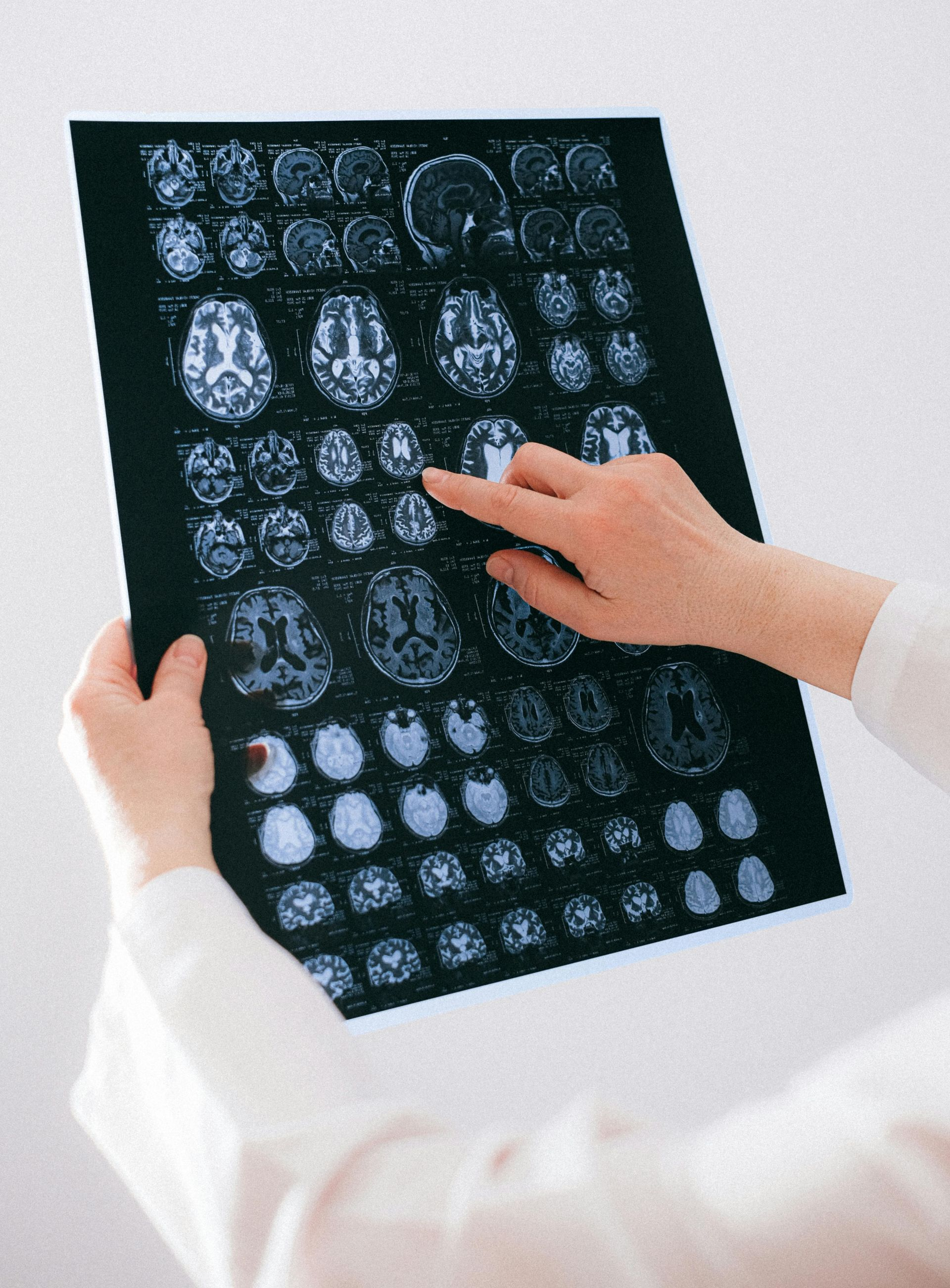
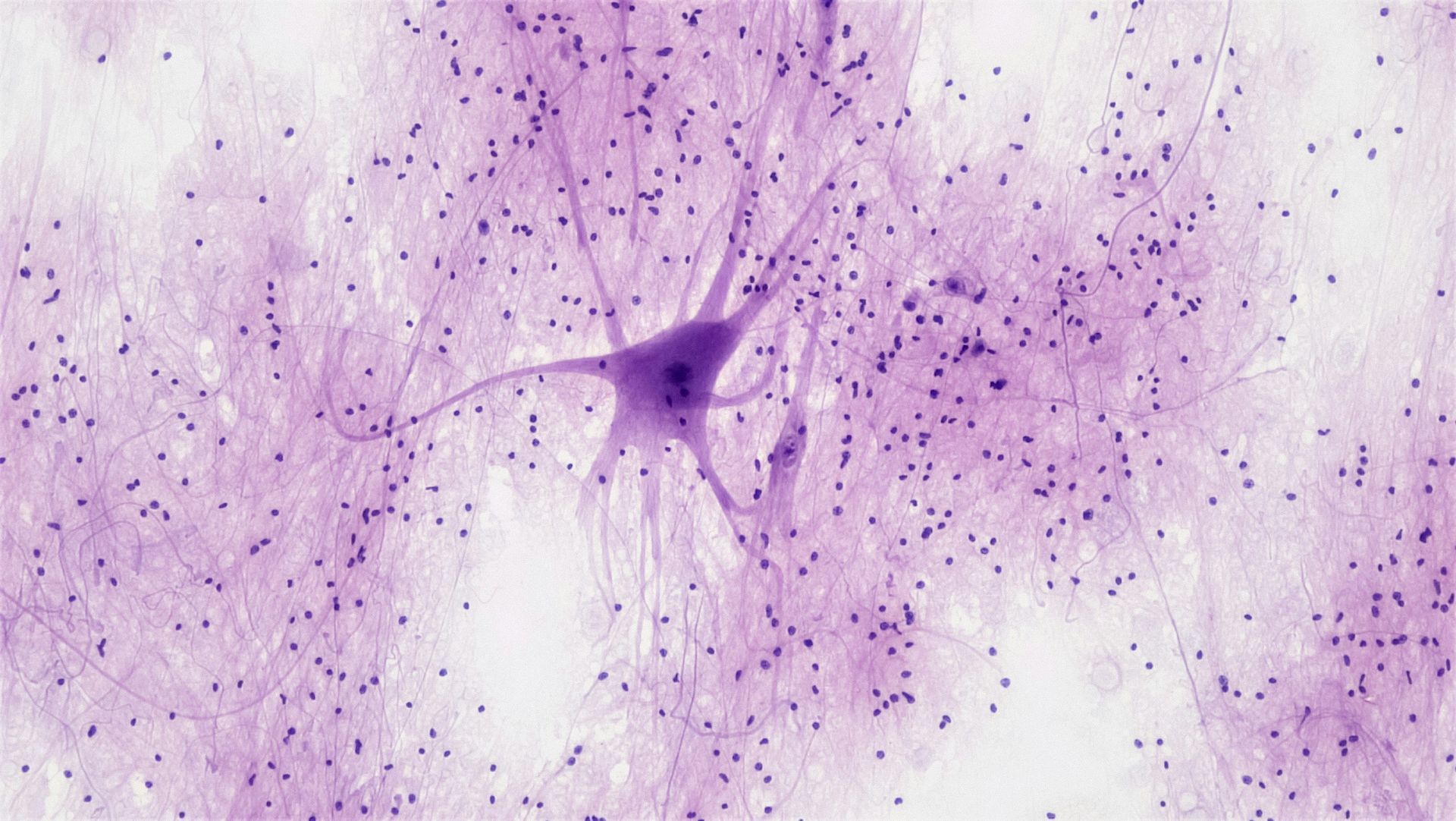
Depression is more than feeling sad or unmotivated. Research has shown that depression can affect communication between different regions of the brain, particularly areas involved in mood regulation, emotional processing, and decision-making.
Certain regions may become underactive, while others become overactive in ways that reinforce negative emotional patterns. Over time, these repeated patterns may contribute to feelings of hopelessness, low motivation, fatigue, and emotional numbness.
This is one reason why depression sometimes continues even when individuals are actively trying to improve their situation.

Why Neuroplasticity Matters in Treatment
Modern mental health treatments increasingly focus on supporting healthier brain activity rather than only managing symptoms superficially. Neuroplasticity is important because it suggests the brain remains capable of change, even after long periods of emotional distress.
The goal of many advanced treatments is to encourage healthier neural communication and help disrupt patterns that may be contributing to ongoing symptoms.
This does not mean change happens instantly. Brain adaptation is typically gradual and occurs over time through consistent treatment and support. However, the concept of neuroplasticity helps explain why new approaches to mental health care can be effective for individuals who have not responded well to traditional treatment alone.

The Connection Between TMS Therapy and Neuroplasticity
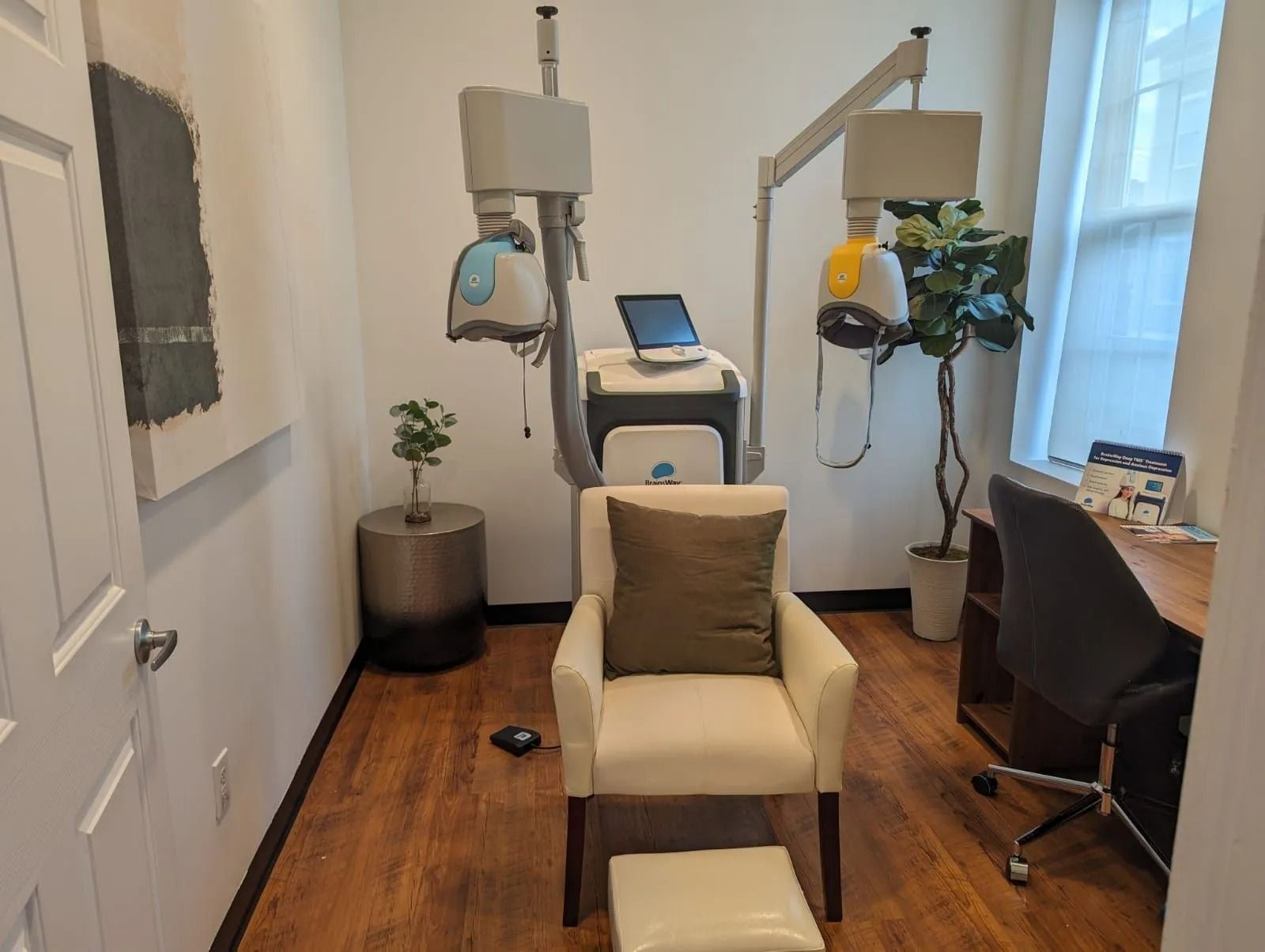
Transcranial Magnetic Stimulation (TMS) therapy is one example of a treatment connected to neuroplasticity. TMS uses targeted magnetic pulses to stimulate specific areas of the brain associated with mood regulation.
By activating underactive neural regions, TMS may help support healthier communication between brain networks involved in emotional processing. Over time, this repeated stimulation is believed to encourage neuroplastic changes that improve mood and overall functioning.
Because TMS directly targets brain activity, it represents a more focused and brain-based approach to treatment compared to traditional systemic medications alone.
Neuroplasticity and Everyday Habits
Neuroplasticity is not only relevant in clinical treatment settings. Everyday routines and behaviors also influence how the brain adapts over time.
Sleep patterns, stress levels, physical activity, social interaction, and thought habits all contribute to brain function. This is one reason mental health treatment is often most effective when approached comprehensively rather than through a single strategy alone.
At Connecticut TMS LLC, treatment planning focuses on the individual as a whole, recognizing that long-term mental wellness often involves multiple interconnected factors.

A More Hopeful Perspective on Mental Health
One of the most important aspects of neuroplasticity is what it represents psychologically. The idea that the brain can continue adapting and changing provides a more hopeful understanding of mental health treatment.
People experiencing depression or chronic emotional distress often feel stuck in patterns that seem permanent. Neuroplasticity suggests that the brain remains capable of developing healthier pathways and improved functioning over time.
This perspective helps support modern treatment approaches focused on long-term improvement and recovery rather than simply temporary symptom management.
Supporting Brain Health Through Modern Treatment
At Connecticut TMS LLC, we provide advanced mental health treatments designed to support healthier brain function through personalized, evidence-based care. By incorporating approaches such as TMS therapy, Spravato treatment, and medication management, we help patients explore options that align with modern understanding of brain health and neuroplasticity.
If you are interested in learning more about brain-based treatment approaches or exploring options for depression and related conditions, contact Connecticut TMS LLC to schedule a consultation and discuss personalized treatment solutions.