Understanding the Difference Between Spravato® and Traditional Antidepressants

June 25, 2026

Depression affects millions of people and can have a significant impact on daily life, relationships, work, and overall well-being. While traditional antidepressant medications have helped many individuals manage their symptoms, they do not work the same way for everyone. Some people continue to experience depression despite trying one or more medications, leading healthcare providers to explore additional treatment options.


One of those options is Spravato® (esketamine), a prescription medication approved for certain adults with treatment-resistant depression and other specific indications. Although both Spravato® and traditional antidepressants are used in the treatment of depression, there are important differences between them.


Understanding those differences can help patients have more informed conversations with their healthcare providers.
Seven white pills on a blue background arranged as a sad face.

Traditional Antidepressants Have Been a Longstanding Treatment Option

Traditional antidepressants have been used for decades and remain an important part of depression treatment.


These medications generally work by affecting neurotransmitters in the brain, such as serotonin, norepinephrine, and dopamine. Depending on the specific medication, the goal is to help regulate mood and reduce depressive symptoms over time.


Many individuals benefit from these medications and experience meaningful improvements in their symptoms. However, responses vary from person to person, and not every patient achieves the desired results with traditional antidepressant therapy alone. This variability is one reason treatment plans are often highly individualized.


Spravato® Uses a Different Active Ingredient

One of the most significant differences between Spravato® and traditional antidepressants is the medication itself.


Spravato® contains esketamine, which is distinct from the active ingredients found in conventional antidepressant medications. Because it works differently within the brain, Spravato® represents an alternative approach for certain patients whose depression has not responded adequately to previous treatments.


Researchers continue to study the complex mechanisms involved in depression and how different treatments may help different individuals. The availability of multiple treatment options allows providers to develop more personalized care plans.

Doctor consulting with a patient, writing notes in a bright clinic office.

Administration Is Different

Traditional antidepressants are typically taken at home in pill form according to a prescribed schedule. Spravato® is administered differently.


Treatment occurs in a certified healthcare setting under medical supervision. Patients self-administer the nasal spray during their appointment and remain under observation afterward as required by the treatment protocol.


Because of this monitoring requirement, Spravato® treatment involves regular visits to a qualified treatment center. This structured process helps ensure patient safety and compliance with established treatment guidelines.


Eligibility Requirements Differ

Not every depression treatment is appropriate for every patient.


Traditional antidepressants are often among the first treatment approaches considered when someone is diagnosed with depression. Spravato® is generally reserved for patients who meet specific eligibility criteria established by healthcare providers and regulatory guidelines.


A thorough evaluation helps determine whether a patient may be an appropriate candidate. This assessment typically considers medical history, previous treatment experiences, current symptoms, and other relevant factors.
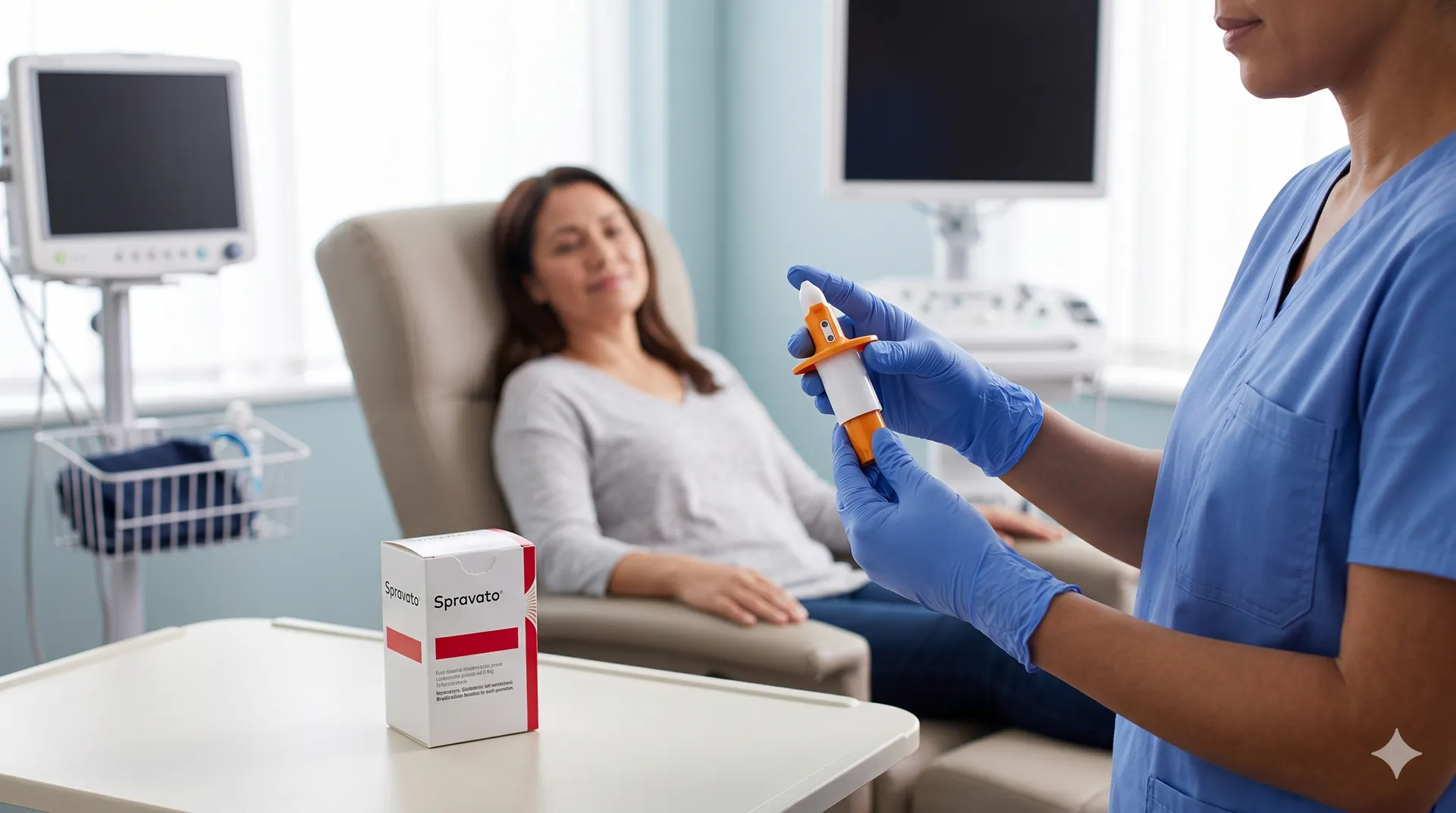
Nurse in blue gloves gives medication to patient in a hospital room, with monitor and medicine box nearby.

Comprehensive Care Remains Important

Regardless of the treatment approach, depression care often involves more than a single medication.


Mental health treatment plans may include psychiatric evaluations, medication management, psychotherapy, lifestyle considerations, and other supportive interventions. The goal is to address each patient’s unique needs and circumstances.


Spravato® is often incorporated into a broader treatment strategy rather than serving as a standalone solution. This individualized approach reflects the reality that depression affects people differently and may require different forms of care.


The Importance of Exploring Options

One of the most encouraging developments in modern psychiatry is the growing number of treatment options available to patients.


While traditional antidepressants continue to help many individuals, alternative treatments such as Spravato® have expanded the range of possibilities for certain patients who continue to struggle with symptoms despite previous treatment efforts.


The availability of multiple approaches allows healthcare providers to tailor treatment plans more effectively.

Two people sit on a rock by a turquoise lake with mountains and forest in the background.

Personalized Care Matters

Depression is a complex medical condition, and successful treatment often requires a personalized approach. Understanding the differences between Spravato® and traditional antidepressants can help patients better understand their options and participate more actively in discussions about their care.


Connecticut TMS LLC provides comprehensive mental health services, including Spravato® treatment and Transcranial Magnetic Stimulation (TMS) for appropriate candidates. Through individualized evaluations and patient-centered care, the practice helps patients explore treatment options that align with their unique needs and treatment history.


The most important takeaway is that depression treatment is not one-size-fits-all. As mental health care continues to evolve, patients have access to more options than ever before, creating new opportunities for personalized and effective care.

Hand holding a glass of water beside spilled white and brown capsules on a table
Person sitting on a gray couch, leaning forward with head in hand in a bright living room.
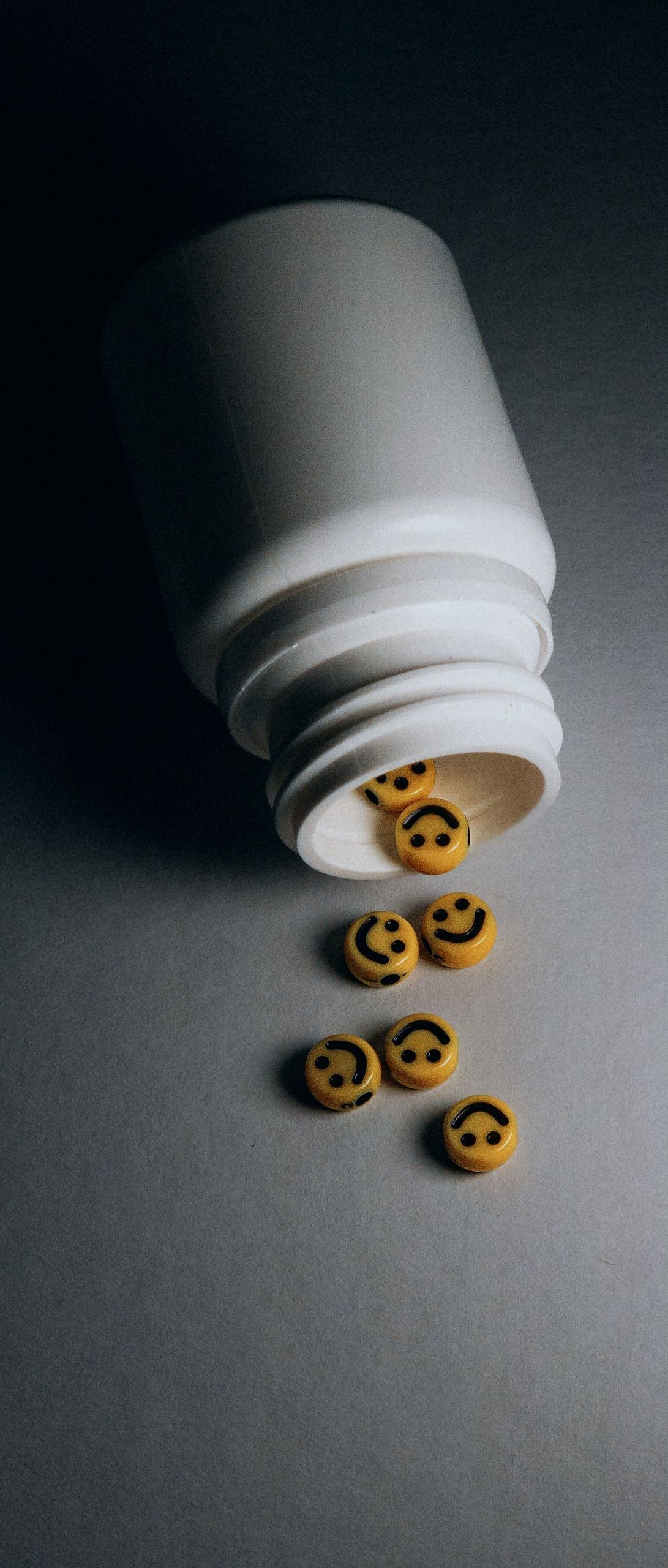
A white pill bottle tipped over, spilling smiling yellow pills onto a gray surface.
Gray brain beneath a yellow light bulb icon on a black background
Doctor pointing at a clipboard during a consultation with a seated patient in a medical office
June 17, 2026
For individuals living with depression that has not responded adequately to traditional treatments, learning about alternative options can feel both hopeful and overwhelming. Ketamine therapy has received increasing attention in recent years as part of the growing field of interventional psychiatry, leading many patients to wonder what the treatment experience is actually like.  While every patient’s treatment plan is unique, understanding the general process can help reduce uncertainty and allow individuals to have more informed conversations with their healthcare providers. Understanding the Purpose of Ketamine Therapy Ketamine-based treatments are sometimes considered for individuals who have not achieved sufficient symptom relief through conventional approaches such as antidepressant medications and psychotherapy alone. Unlike many traditional antidepressants, ketamine-based therapies work through different mechanisms in the brain. As a result, they have become an area of interest for patients and clinicians seeking additional treatment options for certain mental health conditions. Before beginning treatment, patients typically undergo a thorough evaluation to determine whether ketamine therapy may be an appropriate part of their overall care plan.
Two people sit on a couch in a living room; one covers her face while the other listens nearby.
June 10, 2026
Depression is one of the most common mental health conditions, affecting millions of people each year. Many individuals find relief through psychotherapy, antidepressant medications, lifestyle changes, or a combination of treatments. However, for some people, depression symptoms persist despite their best efforts and ongoing care. When this occurs, mental health professionals may refer to the condition as treatment-resistant depression. While the term can sound discouraging, it is important to understand that treatment-resistant depression does not mean depression is untreatable. Instead, it means that traditional treatment approaches have not provided adequate symptom relief and that additional options may need to be explored. What Is Treatment-Resistant Depression? Treatment-resistant depression generally refers to depression that has not responded sufficiently to one or more standard treatment approaches. A person may continue experiencing symptoms despite taking prescribed medications, participating in therapy, or following a treatment plan recommended by their healthcare providers. The experience can be frustrating. Many patients begin treatment expecting gradual improvement, only to find that symptoms continue affecting their daily lives. This can lead to feelings of discouragement and uncertainty about what steps to take next.  Fortunately, mental health treatment has evolved significantly in recent years, creating more options for individuals who have not found relief through conventional methods alone.
June 4, 2026
For individuals exploring treatment options for depression, Transcranial Magnetic Stimulation, commonly known as TMS therapy, may seem unfamiliar at first. Many prospective patients understand that TMS is a non-invasive treatment used for certain mental health conditions, but they often have questions about what actually happens during a session and what the experience is like. Understanding the treatment process can help reduce uncertainty and allow patients to make more informed decisions about their mental health care. What Is TMS Therapy? TMS therapy is a non-invasive treatment that uses targeted magnetic pulses to stimulate specific areas of the brain associated with mood regulation. Unlike surgical procedures, TMS does not require anesthesia, sedation, or implanted devices. The treatment is typically performed in an outpatient setting, allowing patients to return home afterward without the recovery period associated with many medical procedures.  TMS is often considered for individuals experiencing treatment-resistant depression or those seeking alternative approaches when traditional treatments have not provided sufficient symptom relief.
May 29, 2026
Depression is often discussed in terms of mood, sadness, or emotional distress, but persistent depression can affect far more than emotions alone. For many individuals, ongoing depression gradually influences daily routines, physical energy, relationships, concentration, motivation, and overall quality of life. In some cases, these effects develop so gradually that people may not immediately recognize how significantly their daily functioning has changed over time.  At Connecticut TMS LLC, we work with patients experiencing treatment-resistant depression and other ongoing mental health challenges. Understanding how persistent depression affects everyday life is an important part of recognizing when additional support or alternative treatment approaches may be needed.
May 20, 2026
Depression treatment has evolved significantly over the past several decades. While traditional antidepressant medications remain an important part of mental health care for many individuals, newer approaches have expanded the available treatment options for patients who continue experiencing persistent symptoms. One of the most notable developments in recent years is Spravato, an FDA-approved treatment designed specifically for certain patients with treatment-resistant depression . Because Spravato works differently from conventional antidepressants, it represents a newer approach within modern interventional psychiatry.  At Connecticut TMS LLC, we help patients understand how advanced treatments like Spravato fit into individualized mental health care plans and why these therapies differ from traditional medication approaches.
May 13, 2026
The human brain is constantly adapting. Every experience, habit, thought pattern, and emotional response influences how different parts of the brain communicate with one another. This ability to change and reorganize is known as neuroplasticity , and it has become an important concept in modern mental health treatment.  As researchers continue learning more about brain function, neuroplasticity is helping shape new approaches to treating conditions such as depression, anxiety, and chronic emotional distress. At Connecticut TMS LLC, understanding how the brain adapts over time plays an important role in how advanced treatments like TMS therapy and other interventional approaches are viewed. What Is Neuroplasticity? Neuroplasticity refers to the brain’s ability to form new neural connections and reorganize existing pathways . Rather than remaining fixed throughout life, the brain continuously responds to experiences, learning, stress, and environmental influences. This adaptability is part of what allows people to learn new skills, form habits, recover from injuries, and adjust to changing circumstances . However, neuroplasticity also plays a role in mental health conditions. Negative thought patterns, chronic stress, trauma, and long-term depression can influence how neural pathways function over time. In some cases, these patterns become deeply reinforced, making symptoms feel persistent and difficult to break.
May 5, 2026
Mental health treatment has evolved significantly in recent years, offering new options for individuals who have not found sufficient relief through traditional approaches. One of the most important advancements is Transcranial Magnetic Stimulation (TMS) therapy , a non-invasive treatment designed to target specific areas of the brain associated with mood regulation.  At Connecticut TMS LLC, we provide TMS therapy as part of a personalized approach to care, particularly for individuals experiencing treatment-resistant depression and related conditions. Understanding TMS Therapy TMS therapy is an FDA-approved treatment that uses magnetic pulses to stimulate nerve cells in the brain. It is most commonly used to treat major depressive disorder, especially in cases where standard treatments such as medication have not produced the desired results. Unlike medications, which affect the entire body, TMS therapy is localized. It focuses on specific regions of the brain that are involved in mood regulation , allowing for a more targeted approach. Because it is non-invasive, TMS does not require surgery, anesthesia, or sedation. Patients remain awake and alert throughout each session.