What Happens During a Typical TMS Treatment Session?
For individuals exploring treatment options for depression, Transcranial Magnetic Stimulation, commonly known as TMS therapy, may seem unfamiliar at first. Many prospective patients understand that TMS is a non-invasive treatment used for certain mental health conditions, but they often have questions about what actually happens during a session and what the experience is like.
Understanding the treatment process can help reduce uncertainty and allow patients to make more informed decisions about their mental health care.
What Is TMS Therapy?
TMS therapy is a non-invasive treatment that uses targeted magnetic pulses to stimulate specific areas of the brain associated with mood regulation. Unlike surgical procedures, TMS does not require anesthesia, sedation, or implanted devices.
The treatment is typically performed in an outpatient setting, allowing patients to return home afterward without the recovery period associated with many medical procedures.
TMS is often considered for individuals experiencing treatment-resistant depression or those seeking alternative approaches when traditional treatments have not provided sufficient symptom relief.
The Process Begins With an Evaluation
Before beginning TMS therapy, patients typically undergo a comprehensive psychiatric evaluation. This allows the treatment team to review symptoms, medical history, previous treatments, and overall treatment goals.
The evaluation helps determine whether TMS may be an appropriate option for the individual’s specific circumstances.
Because every patient is unique, treatment recommendations are based on personalized clinical assessments rather than a one-size-fits-all approach.
Arriving for Treatment
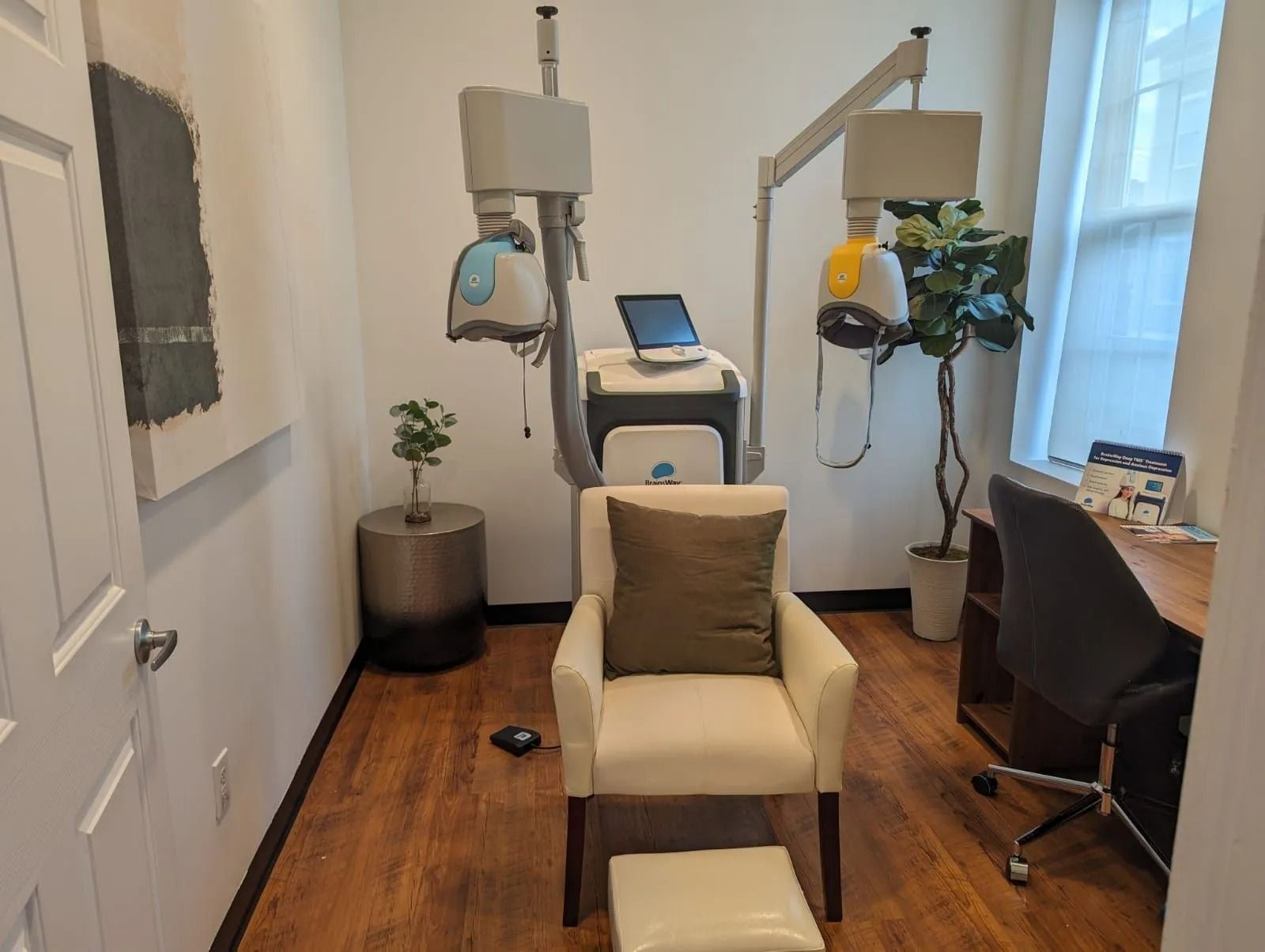
On the day of a TMS session, patients generally arrive at the office and are escorted to a treatment area. Unlike many medical procedures, there is no need for fasting, sedation, or extensive preparation beforehand.
Patients remain awake and alert throughout the session. Most individuals are able to communicate normally with staff members before, during, and after treatment.

Positioning the Treatment Device
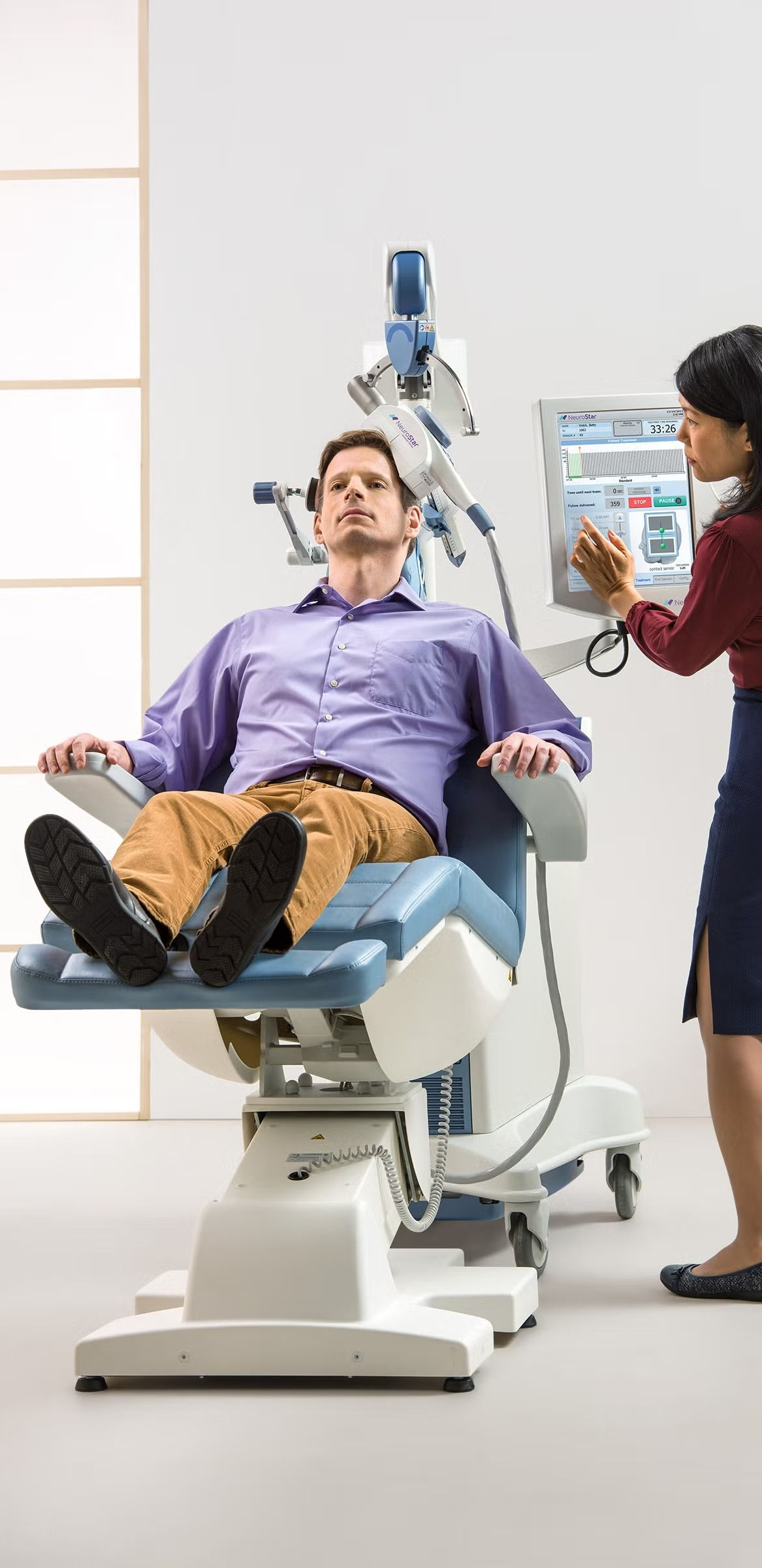
During the session, the patient sits comfortably in a treatment chair while a specialized magnetic coil is positioned near the scalp.
The device delivers carefully controlled magnetic pulses to targeted regions of the brain. These pulses pass through the skull and stimulate nerve cells involved in mood regulation.
Because the treatment targets specific brain regions, proper positioning is an important part of the process. Treatment settings are individualized and monitored by trained professionals.
What Does TMS Feel Like?
One of the most common questions patients ask is whether TMS therapy is painful.
Many individuals describe the sensation as a tapping or clicking feeling against the scalp while the magnetic pulses are being delivered. Others compare it to a light tapping sensation near the treatment area.
Because everyone experiences treatment differently, individual sensations may vary. Patients remain fully awake during the session and are able to communicate with staff if they have questions or concerns.

How Long Does a Session Last?
Treatment session lengths vary depending on the specific protocol being used. In many cases, sessions last less than an hour.
TMS therapy is typically administered as a series of treatments over several weeks. The exact number and frequency of sessions depend on the patient’s individualized treatment plan.
Consistency is often an important part of the treatment process, which is why patients are encouraged to follow the schedule recommended by their provider.
What Happens After the Session?
One advantage of TMS therapy is that there is generally no recovery period required following treatment.
Because patients do not receive sedation, many are able to return to work, drive themselves home, or continue with their normal daily activities afterward.
This convenience is one reason TMS has become an increasingly popular option for individuals seeking non-invasive mental health treatment.

Understanding the Treatment Experience
While every patient’s journey is unique, a typical TMS session is designed to be straightforward, comfortable, and closely monitored. The process allows patients to receive advanced treatment while remaining awake and engaged throughout the appointment.
Connecticut TMS LLC provides personalized TMS therapy as part of a comprehensive approach to mental health care. If you are interested in learning more about TMS treatment or exploring whether it may be appropriate for your situation, our team can help answer your questions and guide you through the evaluation process.
Understanding what to expect is often the first step toward feeling more confident about exploring new treatment options.