How Spravato Differs From Traditional Antidepressants
Depression treatment has evolved significantly over the past several decades. While traditional antidepressant medications remain an important part of mental health care for many individuals, newer approaches have expanded the available treatment options for patients who continue experiencing persistent symptoms.
One of the most notable developments in recent years is Spravato, an FDA-approved treatment designed specifically for certain patients with treatment-resistant depression. Because Spravato works differently from conventional antidepressants, it represents a newer approach within modern interventional psychiatry.
At Connecticut TMS LLC, we help patients understand how advanced treatments like Spravato fit into individualized mental health care plans and why these therapies differ from traditional medication approaches.

What Is Spravato?
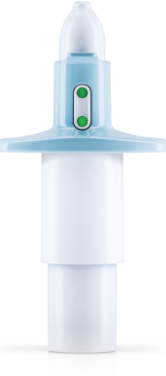
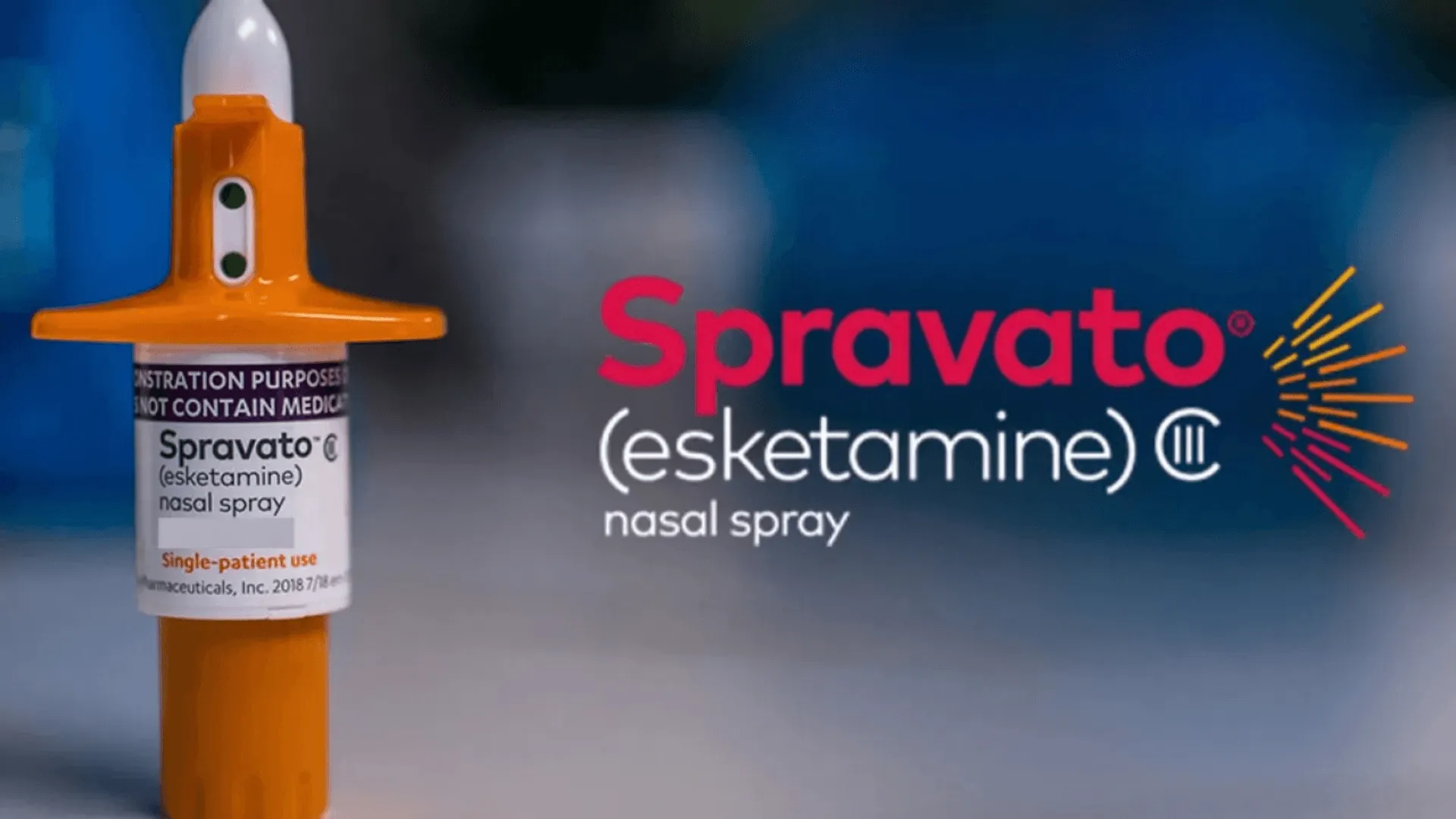
Spravato is the brand name for esketamine, a medication related to ketamine that is administered as a nasal spray under medical supervision. It is approved for certain adults experiencing treatment-resistant depression or major depressive disorder with acute suicidal thoughts or behaviors.
Unlike traditional antidepressants, which are typically taken daily at home, Spravato is administered in a controlled clinical setting as part of a structured treatment program.
Because the treatment process differs significantly from conventional antidepressant use, patient education and medical monitoring are important parts of care.
Traditional Antidepressants Work Gradually
Most conventional antidepressants influence neurotransmitters such as serotonin, norepinephrine, or dopamine. These medications are often highly beneficial for many individuals, but they typically work gradually over time.
In many cases, patients may wait several weeks before experiencing noticeable improvement. Additionally, some individuals may require dosage adjustments or multiple medication trials before finding an effective treatment combination.
While traditional
antidepressants remain valuable treatment tools, they do not work equally well for everyone.

Spravato Uses a Different Mechanism
Spravato differs from traditional antidepressants because it affects different neurological pathways within the brain. Esketamine primarily interacts with glutamate systems, which play an important role in neural communication and brain activity.
This difference in mechanism is part of what makes Spravato distinct from conventional antidepressant medications.
Modern psychiatry increasingly recognizes that depression involves multiple brain systems rather than a single chemical imbalance alone. Treatments that target different neurological pathways may offer additional options for individuals who have not experienced adequate improvement with standard medications.

Spravato Is Used in a Structured Clinical Setting
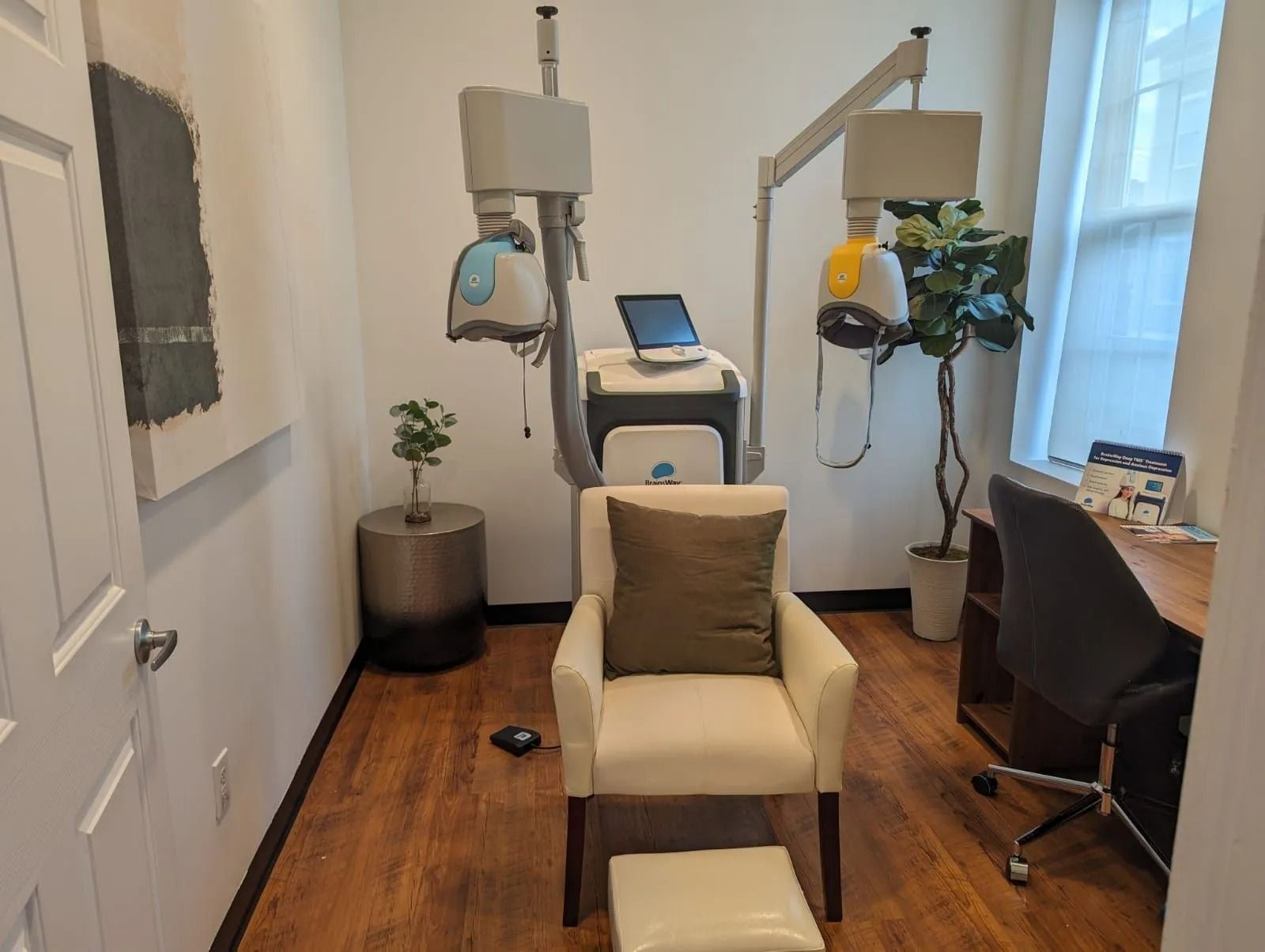
Another major difference is how the treatment is administered. Traditional antidepressants are generally prescribed for independent daily use at home. Spravato, however, must be administered in a certified medical setting under supervision.
Patients remain monitored after treatment sessions because temporary side effects such as dizziness, dissociation, elevated blood pressure, or sedation may occur.
This structured environment helps support patient safety while allowing clinicians to monitor treatment response carefully over time.
Treatment-Resistant Depression Requires Individualized Care
One reason advanced treatments like Spravato have gained attention is because treatment-resistant depression is more common than many people realize.
Some individuals continue experiencing symptoms despite trying multiple medications, therapy approaches, or lifestyle changes. In these cases, exploring alternative treatment strategies may become an important part of care planning.
At Connecticut TMS LLC, treatment decisions are based on comprehensive evaluations that consider each patient’s symptoms, treatment history, overall functioning, and long-term goals.

Patient Education Helps Reduce Uncertainty
Because Spravato differs from conventional antidepressants, many patients initially have questions about how the treatment works and what to expect during care.
Education is an important part of helping patients feel more comfortable exploring advanced treatment options. Understanding the differences between treatment approaches allows patients to make more informed decisions about their mental health care.
At Connecticut TMS LLC, we focus on helping patients understand both the treatment process and the broader goals of individualized mental health support.
Exploring Personalized Treatment Options
Depression affects individuals differently, and treatment approaches are not always identical from one patient to another. For some individuals, traditional antidepressants provide meaningful improvement. Others may benefit from advanced interventional options such as Spravato.
Connecticut TMS LLC provides personalized mental health care, including Spravato treatment, TMS therapy, ketamine-based treatments, and medication management designed around each patient’s individual needs.
If you are exploring options for treatment-resistant depression or would like to learn more about Spravato therapy, contact Connecticut TMS LLC to schedule a consultation and discuss personalized treatment approaches.