Understanding the Emotional Impact of Chronic Depression

July 1, 2026

Depression can affect nearly every aspect of a person’s life, but when symptoms persist for an extended period, the emotional challenges may become even more complex. Individuals living with chronic or persistent depression often face difficulties that extend beyond low mood alone. Relationships, work, hobbies, and daily routines may all be influenced by symptoms that continue over months or even years.


Understanding the emotional impact of chronic depression is important not only for those experiencing it, but also for family members and loved ones. Greater awareness can encourage meaningful conversations and help people recognize when professional evaluation and treatment may be appropriate.


Chronic Depression Can Affect More Than Mood

Many people associate depression primarily with sadness, but its emotional effects are often much broader.


Some individuals experience feelings of emptiness, frustration, hopelessness, or a reduced ability to enjoy activities they once found meaningful. Others describe feeling emotionally “flat” or disconnected from experiences that previously brought happiness.


These symptoms may fluctuate over time, and every person’s experience is different. Chronic depression does not look exactly the same from one individual to another.

A woman sitting on a bed by a bright window, hugging her knees in a white bedroom.

Motivation May Become More Difficult

Persistent depression can make even routine tasks feel overwhelming.


Activities such as getting out of bed, preparing meals, exercising, returning phone calls, or completing household responsibilities may require far more effort than they once did. This loss of motivation is not a reflection of laziness or a lack of determination. Rather, it can be one of the many ways depression affects day-to-day functioning.


Recognizing this distinction is important for both patients and those supporting them.


Relationships Can Be Affected

Depression often influences how people interact with others.


Someone living with chronic depression may withdraw from social activities, communicate less frequently, or decline invitations from friends and family. Loved ones sometimes misunderstand these behaviors as disinterest or rejection when they may actually reflect the challenges of living with depression.


Open communication and professional support can help families better understand what their loved one is experiencing while encouraging a more supportive environment.

Sunbeams breaking through dark clouds over a stormy sky

Feelings of Isolation Are Common

Many individuals with chronic depression report feeling isolated, even when they are surrounded by supportive people.


Symptoms may create the impression that others cannot fully understand what they are experiencing. Over time, this sense of isolation can make it more difficult to seek help or remain engaged in social relationships.


Maintaining connections with trusted family members, friends, and healthcare providers can be an important part of an overall treatment plan.


Hope Can Become Difficult to See

One of the most challenging emotional effects of chronic depression is that it can make improvement feel unlikely.


Individuals who have experienced symptoms for a long time may begin to wonder whether they will ever feel better. This can be especially true for people who have already tried one or more treatment approaches without achieving the results they hoped for.


Fortunately, mental health treatment continues to evolve. Today, healthcare providers have more evidence-based treatment options available than ever before, allowing care to be tailored to each patient’s individual needs and treatment history.

Person sitting curled up against a stone wall on a leaf-covered ground, wearing a striped hat and blue jacket.

Comprehensive Care Matters

Depression is a complex medical condition, and there is no single treatment that works for everyone.


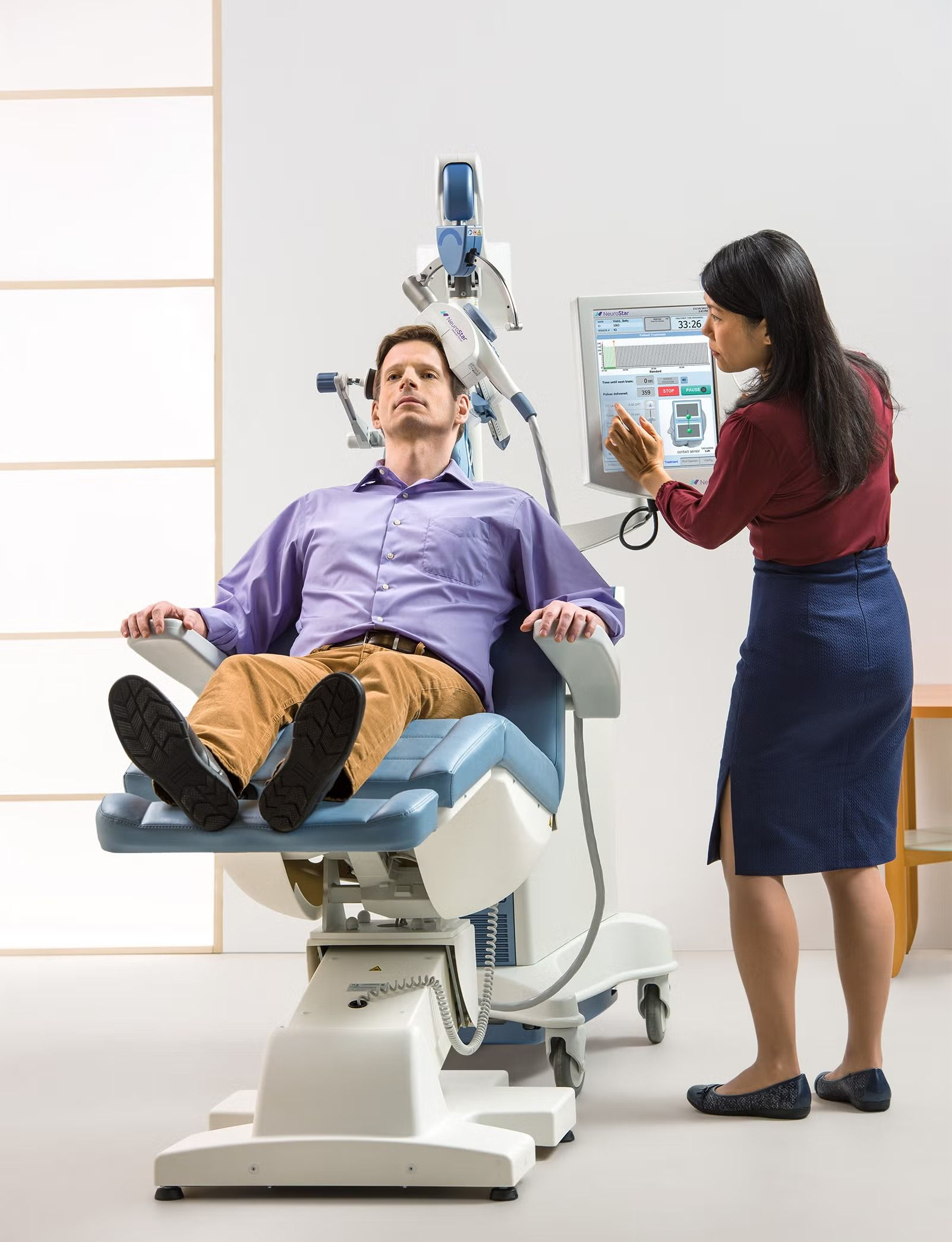
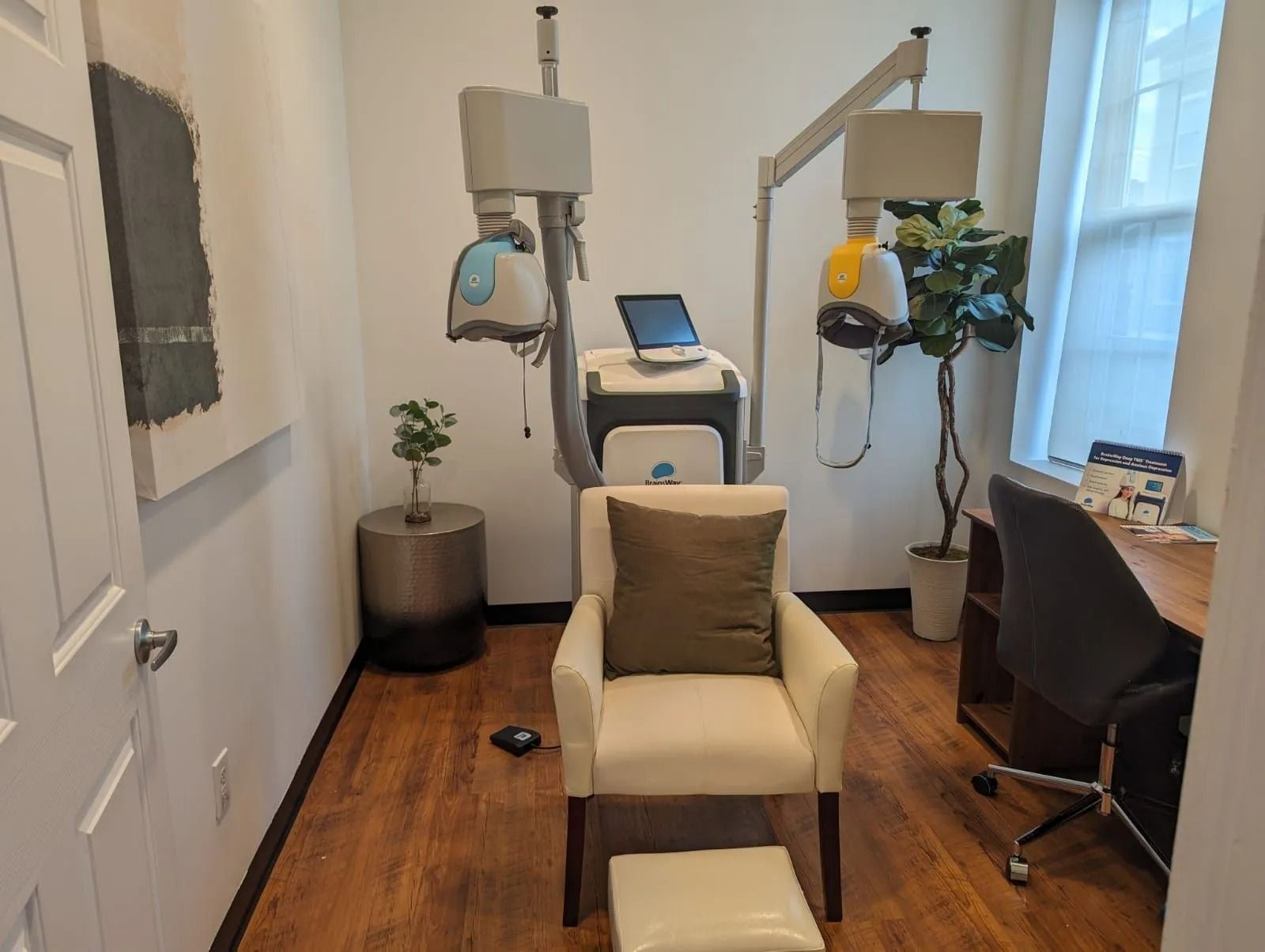
Depending on the individual, a comprehensive treatment plan may include psychotherapy, medication management, lifestyle recommendations, Transcranial Magnetic Stimulation (TMS), Spravato® for appropriate candidates, or a combination of these approaches. The goal is to identify the treatment strategy that best aligns with the patient’s unique circumstances.


Because symptoms and responses to treatment vary, ongoing communication with a mental health provider remains an important part of the process.

Four friends smiling and standing together outdoors in a park at sunset.

Moving Forward With Support

Living with chronic depression can be emotionally exhausting, but it is important to remember that ongoing symptoms do not mean someone has run out of options. Modern psychiatry offers a range of evidence-based treatments that may help certain individuals, particularly when care is personalized and regularly evaluated.


At Connecticut TMS LLC, we provide comprehensive psychiatric evaluations and individualized treatment plans that may include Transcranial Magnetic Stimulation (TMS), Spravato®, medication management, and other appropriate approaches based on each patient’s needs. Our team works closely with every patient to explore treatment options and provide compassionate, evidence-based care.


Although chronic depression can affect many areas of life, seeking professional support is an important step toward understanding available treatment options and developing a plan that supports long-term mental health and overall well-being.


Glowing neon script spelling “hope” on a dark wall
Person sitting among tall trees in a pine forest with a brown, leaf-covered ground
Silhouette of a hand reaching toward the sun at sunset over a horizon
patient receiving tms treatment in chair
Doctor pointing at a clipboard during a consultation with a seated patient in a medical office
June 25, 2026
Depression affects millions of people and can have a significant impact on daily life, relationships, work, and overall well-being. While traditional antidepressant medications have helped many individuals manage their symptoms, they do not work the same way for everyone. Some people continue to experience depression despite trying one or more medications, leading healthcare providers to explore additional treatment options.  One of those options is Spravato® (esketamine), a prescription medication approved for certain adults with treatment-resistant depression and other specific indications. Although both Spravato® and traditional antidepressants are used in the treatment of depression, there are important differences between them. Understanding those differences can help patients have more informed conversations with their healthcare providers.

June 17, 2026
For individuals living with depression that has not responded adequately to traditional treatments, learning about alternative options can feel both hopeful and overwhelming. Ketamine therapy has received increasing attention in recent years as part of the growing field of interventional psychiatry, leading many patients to wonder what the treatment experience is actually like.  While every patient’s treatment plan is unique, understanding the general process can help reduce uncertainty and allow individuals to have more informed conversations with their healthcare providers. Understanding the Purpose of Ketamine Therapy Ketamine-based treatments are sometimes considered for individuals who have not achieved sufficient symptom relief through conventional approaches such as antidepressant medications and psychotherapy alone. Unlike many traditional antidepressants, ketamine-based therapies work through different mechanisms in the brain. As a result, they have become an area of interest for patients and clinicians seeking additional treatment options for certain mental health conditions. Before beginning treatment, patients typically undergo a thorough evaluation to determine whether ketamine therapy may be an appropriate part of their overall care plan.
Two people sit on a couch in a living room; one covers her face while the other listens nearby.
June 10, 2026
Depression is one of the most common mental health conditions, affecting millions of people each year. Many individuals find relief through psychotherapy, antidepressant medications, lifestyle changes, or a combination of treatments. However, for some people, depression symptoms persist despite their best efforts and ongoing care. When this occurs, mental health professionals may refer to the condition as treatment-resistant depression. While the term can sound discouraging, it is important to understand that treatment-resistant depression does not mean depression is untreatable. Instead, it means that traditional treatment approaches have not provided adequate symptom relief and that additional options may need to be explored. What Is Treatment-Resistant Depression? Treatment-resistant depression generally refers to depression that has not responded sufficiently to one or more standard treatment approaches. A person may continue experiencing symptoms despite taking prescribed medications, participating in therapy, or following a treatment plan recommended by their healthcare providers. The experience can be frustrating. Many patients begin treatment expecting gradual improvement, only to find that symptoms continue affecting their daily lives. This can lead to feelings of discouragement and uncertainty about what steps to take next.  Fortunately, mental health treatment has evolved significantly in recent years, creating more options for individuals who have not found relief through conventional methods alone.
June 4, 2026
For individuals exploring treatment options for depression, Transcranial Magnetic Stimulation, commonly known as TMS therapy, may seem unfamiliar at first. Many prospective patients understand that TMS is a non-invasive treatment used for certain mental health conditions, but they often have questions about what actually happens during a session and what the experience is like. Understanding the treatment process can help reduce uncertainty and allow patients to make more informed decisions about their mental health care. What Is TMS Therapy? TMS therapy is a non-invasive treatment that uses targeted magnetic pulses to stimulate specific areas of the brain associated with mood regulation. Unlike surgical procedures, TMS does not require anesthesia, sedation, or implanted devices. The treatment is typically performed in an outpatient setting, allowing patients to return home afterward without the recovery period associated with many medical procedures.  TMS is often considered for individuals experiencing treatment-resistant depression or those seeking alternative approaches when traditional treatments have not provided sufficient symptom relief.
May 29, 2026
Depression is often discussed in terms of mood, sadness, or emotional distress, but persistent depression can affect far more than emotions alone. For many individuals, ongoing depression gradually influences daily routines, physical energy, relationships, concentration, motivation, and overall quality of life. In some cases, these effects develop so gradually that people may not immediately recognize how significantly their daily functioning has changed over time.  At Connecticut TMS LLC, we work with patients experiencing treatment-resistant depression and other ongoing mental health challenges. Understanding how persistent depression affects everyday life is an important part of recognizing when additional support or alternative treatment approaches may be needed.
May 20, 2026
Depression treatment has evolved significantly over the past several decades. While traditional antidepressant medications remain an important part of mental health care for many individuals, newer approaches have expanded the available treatment options for patients who continue experiencing persistent symptoms. One of the most notable developments in recent years is Spravato, an FDA-approved treatment designed specifically for certain patients with treatment-resistant depression . Because Spravato works differently from conventional antidepressants, it represents a newer approach within modern interventional psychiatry.  At Connecticut TMS LLC, we help patients understand how advanced treatments like Spravato fit into individualized mental health care plans and why these therapies differ from traditional medication approaches.
May 13, 2026
The human brain is constantly adapting. Every experience, habit, thought pattern, and emotional response influences how different parts of the brain communicate with one another. This ability to change and reorganize is known as neuroplasticity , and it has become an important concept in modern mental health treatment.  As researchers continue learning more about brain function, neuroplasticity is helping shape new approaches to treating conditions such as depression, anxiety, and chronic emotional distress. At Connecticut TMS LLC, understanding how the brain adapts over time plays an important role in how advanced treatments like TMS therapy and other interventional approaches are viewed. What Is Neuroplasticity? Neuroplasticity refers to the brain’s ability to form new neural connections and reorganize existing pathways . Rather than remaining fixed throughout life, the brain continuously responds to experiences, learning, stress, and environmental influences. This adaptability is part of what allows people to learn new skills, form habits, recover from injuries, and adjust to changing circumstances . However, neuroplasticity also plays a role in mental health conditions. Negative thought patterns, chronic stress, trauma, and long-term depression can influence how neural pathways function over time. In some cases, these patterns become deeply reinforced, making symptoms feel persistent and difficult to break.
May 5, 2026
Mental health treatment has evolved significantly in recent years, offering new options for individuals who have not found sufficient relief through traditional approaches. One of the most important advancements is Transcranial Magnetic Stimulation (TMS) therapy , a non-invasive treatment designed to target specific areas of the brain associated with mood regulation.  At Connecticut TMS LLC, we provide TMS therapy as part of a personalized approach to care, particularly for individuals experiencing treatment-resistant depression and related conditions. Understanding TMS Therapy TMS therapy is an FDA-approved treatment that uses magnetic pulses to stimulate nerve cells in the brain. It is most commonly used to treat major depressive disorder, especially in cases where standard treatments such as medication have not produced the desired results. Unlike medications, which affect the entire body, TMS therapy is localized. It focuses on specific regions of the brain that are involved in mood regulation , allowing for a more targeted approach. Because it is non-invasive, TMS does not require surgery, anesthesia, or sedation. Patients remain awake and alert throughout each session.