Treatment-Resistant Depression: What to Do Next
What to Do When Antidepressants Stop Working

Antidepressants can help many people with depression, but they do not always keep working the same way forever. Some people feel better for a while, then symptoms slowly return. Others try more than one medication and still do not get enough relief.
That can be frustrating, especially when you have been doing what you were told to do. If you are in Waterbury, CT, and you feel like your depression treatment has stalled, you are not out of options. Treatment-resistant depression does not mean depression cannot be treated. It means your current plan may need to be reviewed, adjusted, or changed.
The next step is not to guess. It is to look closely at what has been tried, what helped, what did not, and what other options may fit your situation.
How do you know if antidepressants have stopped working?
Antidepressants usually take time to work, and results can vary from person to person. But if symptoms return after a period of improvement, or if your medication never helped enough in the first place, it may be time to reassess your treatment plan.
This is where medication management matters. A trained provider can review your symptoms, dosage, side effects, medication history, and overall mental health picture before making changes.
Symptoms may slowly come back
Depression does not always return all at once. It may start with low energy, trouble sleeping, loss of interest, or feeling emotionally flat. You may still be functioning, but everything feels harder than it should.
Some people describe it as “the medication is not doing what it used to do.” That is worth paying attention to.
Side effects may outweigh the benefits
Sometimes the medication helps depression symptoms, but causes other problems. Weight changes, sleep disruption, sexual side effects, emotional numbness, or stomach issues can make it difficult to stay consistent.
Do not stop medication suddenly without medical guidance. Instead, talk with a provider about whether a dose adjustment, switch, or different treatment option makes more sense. Patients looking for structured support can learn more about medication reviews through medication management in Waterbury, CT.
Your diagnosis or needs may have changed
Depression symptoms can overlap with anxiety, trauma, bipolar disorder, ADHD, substance use, grief, or medical issues. If the original diagnosis does not fully explain what is happening now, the treatment plan may need to change.
That does not mean something was done wrong. It means treatment should match your current needs, not just your first prescription.
What does treatment-resistant depression actually mean?
Treatment-resistant depression usually refers to depression that has not improved enough after trying standard antidepressant treatment. In many cases, this means a person has tried at least two medications at appropriate doses and durations without enough relief.
The phrase can sound discouraging, but it is not a dead end. It is a clinical signal that the next step should be more targeted.
It does not mean treatment failed forever
Many people with treatment-resistant depression still improve with the right approach. The key is to stop repeating the same plan if it is not working.
A provider may look at whether the medication was taken long enough, whether the dose was high enough, whether side effects got in the way, and whether other treatments should be added.
It may require more than one type of care
Depression can be affected by brain chemistry, stress, sleep, pain, trauma, medical conditions, and daily routines. That is why a single medication is not always enough.
For some adults, the next step may include medication management, TMS therapy, ketamine therapy, or Spravato. The right option depends on symptoms, medical history, treatment history, and safety considerations.
What should you do before changing your antidepressant?
When antidepressants stop working, it is tempting to stop taking them or switch quickly. That can cause withdrawal symptoms, mood changes, or worsening depression. A safer approach is to review the full picture with a qualified provider.
Good treatment decisions start with clear information.
Write down what has changed
Before your appointment, make a simple list. Include when symptoms returned, what symptoms are strongest, what medications you have tried, what side effects you had, and whether anything recently changed in your life.
This helps your provider see patterns faster. It also makes the conversation more productive.
Be honest about missed doses or side effects
Many people miss doses because of side effects, cost, forgetfulness, or feeling unsure the medication is helping. Your provider needs to know this.
This is not about blame. It is about making a plan that actually works for your real life.
Ask whether another treatment option fits
If you have tried multiple antidepressants without enough relief, ask whether a different treatment path should be considered. For example, TMS therapy in Waterbury, CT may be considered for adults with depression who have not responded well to medication.
Some patients may also ask about ketamine therapy in Waterbury, CT, especially when standard treatments have not brought enough improvement. These options are not right for everyone, but they are worth discussing when depression remains difficult to treat.
What treatment options may help when antidepressants are not enough?

There is no single answer for treatment-resistant depression. The right plan depends on your symptoms, health history, prior treatment, and goals. For some people, the next step is a medication adjustment. For others, it may be a non-medication treatment.
The important thing is to work with a provider who can explain the options clearly.
Medication management
Medication management is more than refilling a prescription. It involves reviewing what you take, how you respond, what side effects you experience, and whether the treatment plan still makes sense.
Your provider may adjust the dose, switch medications, add another medication, or recommend a different type of treatment. This can be especially helpful when depression symptoms are only partially controlled.
TMS therapy
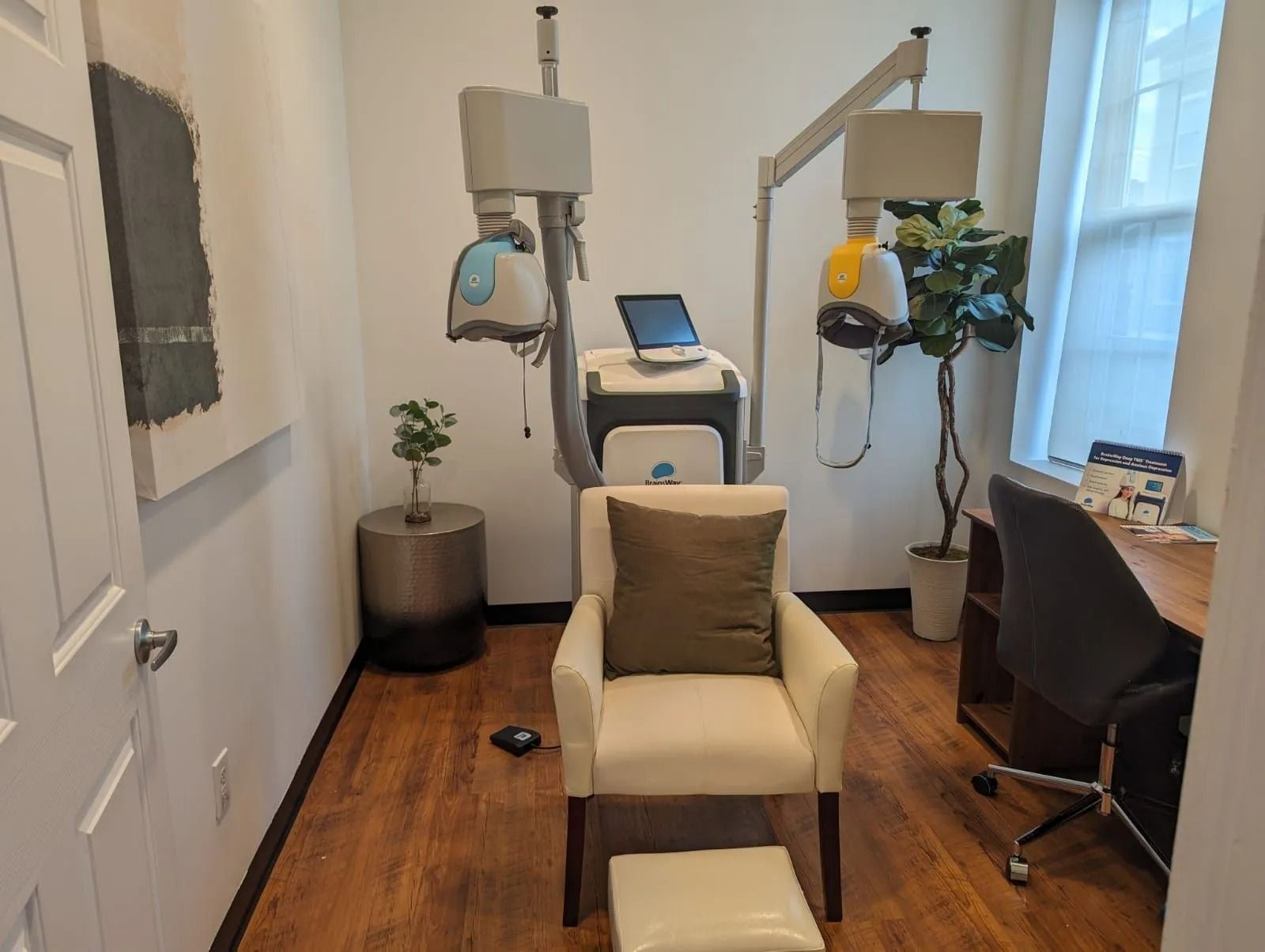
TMS therapy, or transcranial magnetic stimulation, is a noninvasive treatment that uses magnetic pulses to stimulate targeted areas of the brain involved in mood regulation. It does not require anesthesia, and patients are typically awake during treatment.
TMS therapy may be an option for adults with depression who have not had enough relief from antidepressants. Patients outside Waterbury may also want to learn about TMS therapy in Torrington, CT if that location is more convenient.
Ketamine therapy

Ketamine therapy may be considered for some adults with depression, including those who have not responded well to traditional medications. It works differently from many standard antidepressants and is provided under medical supervision.
This is not a casual treatment. A provider should review your medical history, current medications, risks, and whether ketamine therapy is appropriate for your situation.
Spravato
Spravato is a prescription nasal spray form of esketamine used in specific cases of treatment-resistant depression. It is administered in a certified medical setting with monitoring after each treatment.
For some patients, Spravato may be considered when other medication options have not worked well enough. It should always be discussed with a qualified provider who can explain eligibility, safety, and what to expect.
When should you ask for help right away?
Depression can become urgent. If you are having thoughts of harming yourself, feel unsafe, or feel like you may act on suicidal thoughts, call 911 or go to the nearest emergency room. You can also call or text 988 in the United States for immediate crisis support.
Even if things are not at that point, you should still reach out when symptoms are interfering with daily life.
Do not wait until everything falls apart
Many people wait because they think they should be able to push through. That can make depression harder to treat.
If you are sleeping too much or too little, missing work, isolating, feeling hopeless, or losing interest in things that used to matter, those are valid reasons to schedule a consultation.
Do not wait until everything falls apart
Many people wait because they think they should be able to push through. That can make depression harder to treat.
If you are sleeping too much or too little, missing work, isolating, feeling hopeless, or losing interest in things that used to matter, those are valid reasons to schedule a consultation.
Why this matters for adults in Waterbury, CT
Adults in Waterbury, CT often juggle work, family responsibilities, long commutes, financial stress, and health concerns while trying to manage depression. When antidepressants stop working, it can affect everything from job performance to relationships to basic daily routines. Having access to treatment options such as medication management, TMS therapy, and ketamine therapy in the Waterbury area gives patients a chance to reassess care without assuming they simply have to live with symptoms.
Call Connecticut TMS LLC for a consultation
If you are dealing with treatment-resistant depression, Connecticut TMS LLC can help you review your options and decide what may make sense next. Call 860-799-8344 to schedule a consultation and talk through medication management, TMS therapy, ketamine therapy, or other appropriate treatment options.

Frequently Asked Questions
What should I do if my antidepressant is not working anymore?
Do not stop taking it suddenly unless your provider tells you to. Schedule a medication management appointment to review your symptoms, dosage, side effects, and treatment history. Your provider may recommend an adjustment, a different medication, or another treatment option.
How many antidepressants do I need to try before it is treatment-resistant depression?
A Treatment-resistant depression often refers to depression that has not improved enough after at least two adequate antidepressant trials. The exact definition can vary based on the patient and clinical situation. A provider can review whether your past medications were tried at the right dose and for enough time.
Can TMS therapy help when medication does not?
TMS therapy may help some adults with depression who have not responded well to antidepressants. It is noninvasive and does not require anesthesia. A consultation can help determine whether TMS therapy is appropriate based on your diagnosis, symptoms, and treatment history.
Is ketamine therapy used for treatment-resistant depression?
Ketamine therapy may be considered for certain adults with depression who have not had enough relief from standard treatments. It is provided under medical supervision and is not suitable for everyone. Your provider should review your health history, current medications, and risks before recommending it.
When should I call for help with depression?
Call for help when depression symptoms are affecting your sleep, work, relationships, motivation, or ability to function. If you feel unsafe or are having thoughts of self-harm, call 911, go to the nearest emergency room, or call or text 988 for immediate crisis support. For non-emergency treatment questions, schedule a consultation with a qualified provider.
When antidepressants stop working, the answer is not to blame yourself or give up. Treatment-resistant depression needs a closer look and a more focused plan. If you are in Waterbury, CT, and want to understand your next options, call Connecticut TMS LLC at 860-799-8344 to schedule a consultation.