Depression Myths and Facts
Depression is one of the most common mental health conditions worldwide, yet it remains widely misunderstood. Misconceptions about depression can discourage people from seeking treatment, create unnecessary stigma, and leave individuals feeling isolated during an already difficult time. Fortunately, ongoing research has improved our understanding of depression and expanded the range of evidence-based treatment options available to patients.
Learning to separate myths from facts is an important step toward recognizing depression as a legitimate medical condition that deserves compassionate, individualized care. Connecticut TMS LLC provides comprehensive psychiatric services, including Transcranial Magnetic Stimulation (TMS),
Spravato®,
ketamine-based treatments,
medication management, and personalized treatment planning for individuals who may benefit from advanced mental health care.

Myth: Depression Is Simply Feeling Sad
While sadness is a normal human emotion, depression is a medical condition that extends far beyond temporary feelings of unhappiness.
Major depressive disorder can affect mood, thinking, sleep, energy levels, appetite, concentration, motivation, and daily functioning. Some individuals experience persistent sadness, while others may feel emotionally numb, lose interest in activities they once enjoyed, or struggle with overwhelming fatigue.
Because symptoms vary from person to person, depression cannot be defined by a single emotion or experience.
Fact: Depression Has Many Contributing Factors
There is no single cause of depression. Instead, research suggests that it often develops through a combination of biological, psychological, environmental, and genetic influences.
Brain chemistry, family history, chronic medical conditions, significant life events, prolonged stress, trauma, and other factors may all contribute to the development of depression. Understanding this complexity helps explain why treatment plans are individualized rather than identical for every patient.
A comprehensive psychiatric evaluation allows providers to consider these various factors when recommending an appropriate course of care.

Myth: People Should Be Able to “Snap Out of It”
One of the most harmful misconceptions is the belief that depression can simply be overcome through willpower alone.
Although positive lifestyle habits, social support, and healthy coping strategies can play valuable roles in overall mental wellness, clinical depression is not a sign of personal weakness or lack of determination. Like many other medical conditions, depression often requires professional evaluation and evidence-based treatment.
Encouraging individuals to seek appropriate care is generally far more helpful than expecting them to manage significant symptoms without assistance.

Fact: Effective Treatment Options Continue to Expand
Mental health care has evolved significantly over the past several decades. While many patients benefit from traditional treatments such as psychotherapy and medication management, additional evidence-based options are now available for individuals whose symptoms persist despite previous treatment.
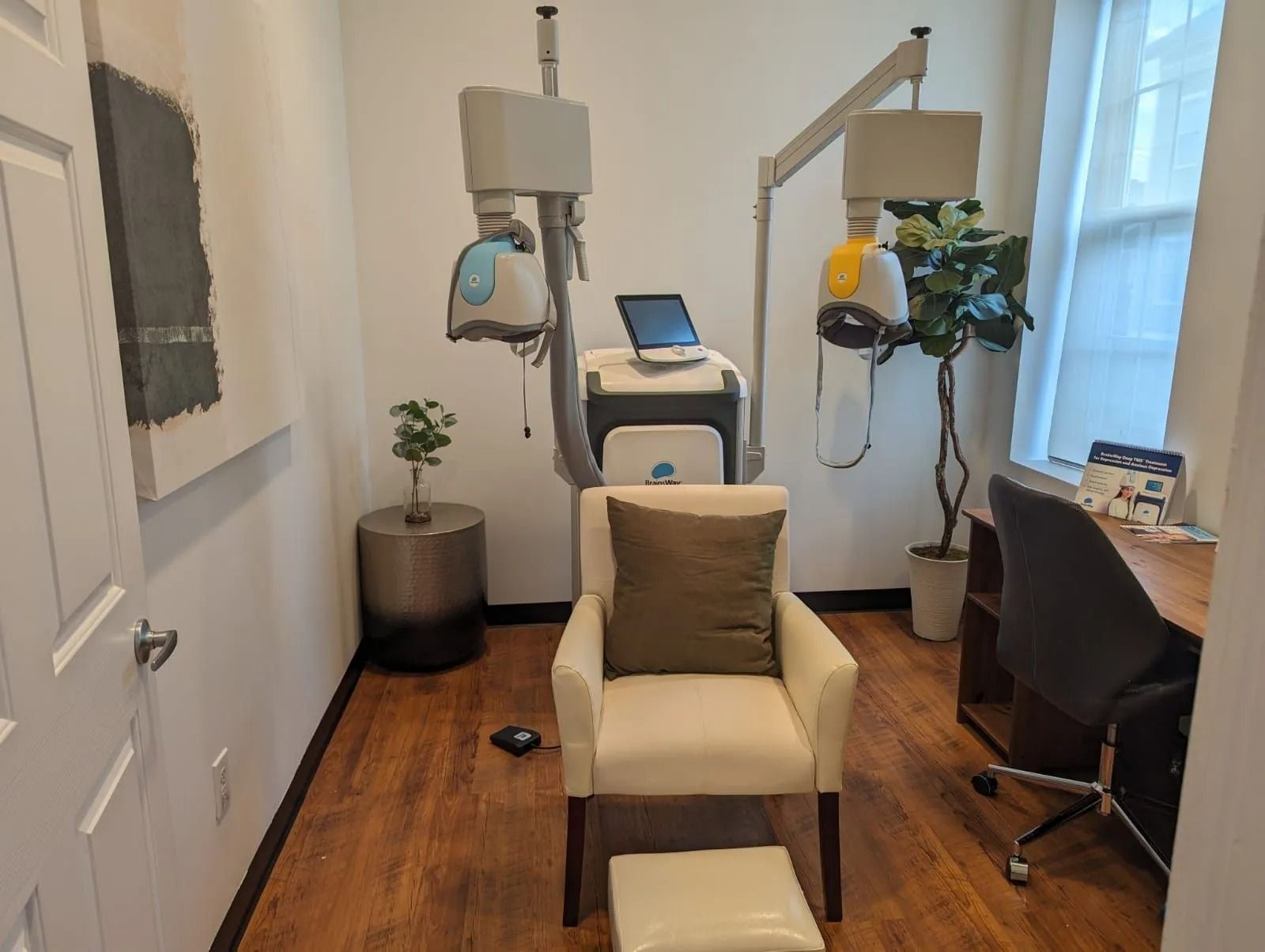
For appropriate candidates, TMS offers a non-invasive treatment that uses targeted magnetic pulses to stimulate specific areas of the brain associated with mood regulation. Spravato® may also be considered for certain adults with treatment-resistant depression under carefully supervised medical protocols. Connecticut TMS LLC also offers ketamine-based treatments for appropriate patients as part of individualized care plans.
The most appropriate treatment depends on each patient’s diagnosis, medical history, symptoms, and clinical evaluation.

Myth: Everyone Responds to Treatment the Same Way
No two people experience depression in exactly the same manner, and treatment responses can also differ.
Some individuals experience meaningful improvement with their initial treatment plan, while others may require adjustments over time. Medication changes, psychotherapy, TMS, Spravato®, ketamine-based treatment, or combinations of these approaches may all be considered depending on the patient’s needs.
Regular follow-up appointments allow providers to evaluate progress, answer questions, and modify treatment plans when appropriate. This personalized approach helps ensure that care continues to reflect each patient’s individual circumstances.
Replacing Misconceptions With Understanding
Connecticut TMS LLC provides comprehensive psychiatric evaluations, medication management, TMS, Spravato®, ketamine-based treatments, and personalized treatment planning for individuals living with depression and other qualifying mental health conditions. If you are interested in learning more about your treatment options, contact Connecticut TMS LLC to schedule a consultation with our experienced team.