How Transcranial Magnetic Stimulation (TMS) Works
For individuals living with depression that has not improved with traditional treatment approaches, exploring additional options can feel overwhelming. One treatment that has received increasing attention over the past two decades is Transcranial Magnetic Stimulation (TMS). This non-invasive therapy is designed to stimulate specific areas of the brain associated with mood regulation and is an FDA-cleared treatment for certain patients with major depressive disorder. Understanding how TMS works can help patients feel more informed as they discuss treatment options with their mental health provider.
At Connecticut TMS LLC, TMS is one of several evidence-based therapies offered as part of a personalized approach to psychiatric care.
Understanding the Science Behind TMS
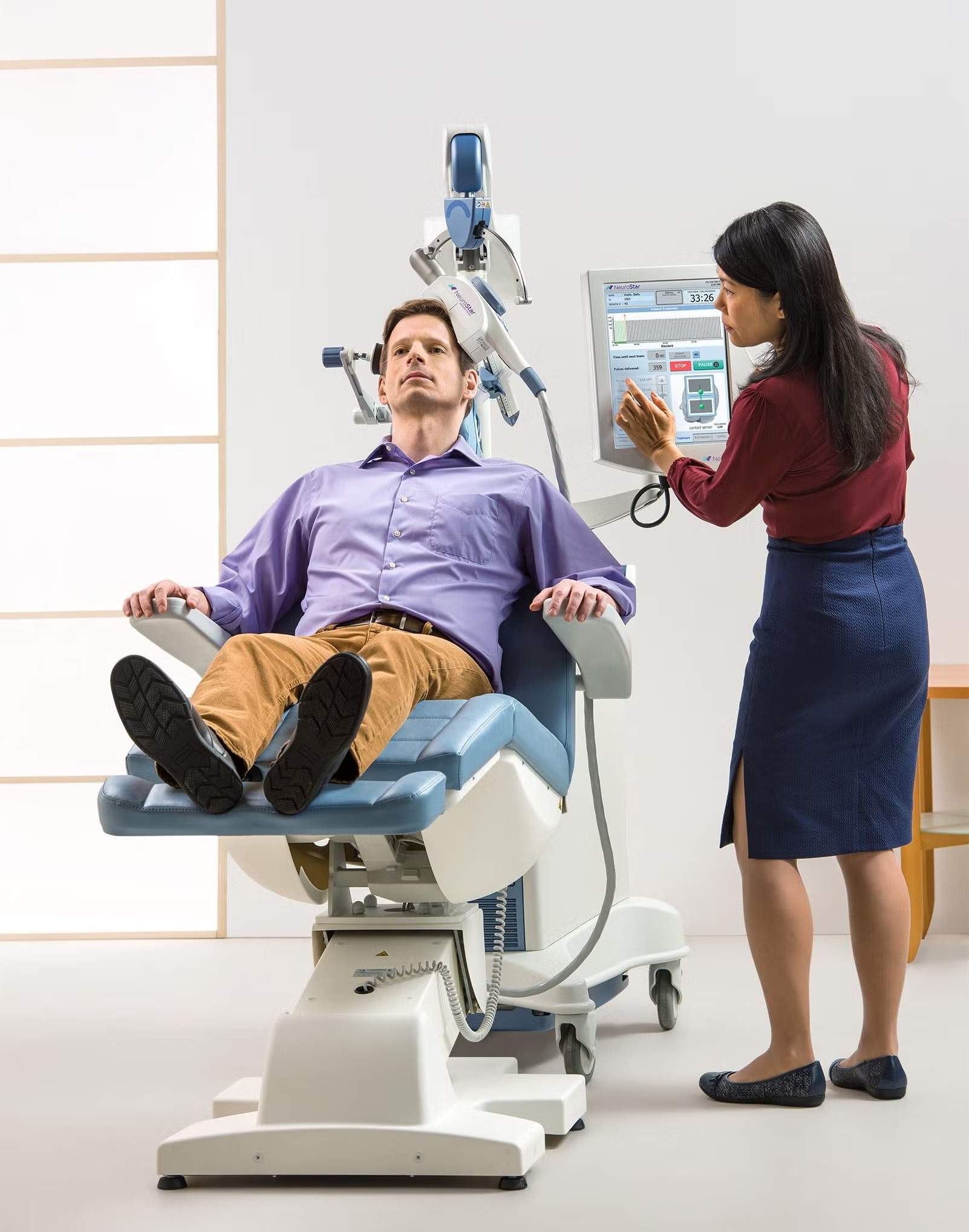
TMS uses precisely targeted magnetic pulses to stimulate nerve cells in regions of the brain involved in regulating mood. During treatment, an electromagnetic coil is positioned against the scalp near the forehead. The device generates brief magnetic pulses that pass through the skull and activate neurons in a targeted area of the brain.
Unlike electrical stimulation, the magnetic field passes comfortably through the scalp without surgery or implanted devices. The treatment is carefully calibrated for each individual to deliver stimulation in a controlled and consistent manner.
Researchers continue to study exactly how TMS influences brain function, but current evidence suggests that repeated stimulation may help modify activity within neural networks involved in depression and other psychiatric conditions.

A Non-Invasive Treatment Option
One of the distinguishing features of TMS is that it is entirely non-invasive. No incisions, injections, or implanted medical devices are required.
Patients remain awake throughout each treatment session and are able to communicate with the treatment team during the procedure. Because TMS does not require general anesthesia or sedation, most patients are able to drive themselves to and from appointments and return to their normal daily activities immediately afterward, unless their healthcare provider advises otherwise.
This convenience allows many individuals to schedule treatment around work, school, or family responsibilities.

What Happens During a Treatment Session?
Before treatment begins, patients undergo a comprehensive psychiatric evaluation to determine whether TMS may be an appropriate option for their individual circumstances.
Once treatment is recommended, an initial mapping session helps identify the correct treatment location and determines the stimulation intensity that is appropriate for the patient. Subsequent appointments follow a carefully planned protocol developed by the treating clinician.
During each session, patients sit comfortably while the magnetic pulses are delivered. Many people describe the sensation as a light tapping against the scalp. Some individuals notice mild scalp discomfort during the first few sessions, but this often becomes less noticeable as treatment continues.

TMS as Part of a Comprehensive Treatment Plan
TMS is often one component of a broader mental health treatment strategy rather than a stand-alone solution.
Depending on each patient’s needs, treatment may also include psychiatric medication management, psychotherapy, SPRAVATO®, ketamine therapy, or other evidence-based interventions. Lifestyle habits such as regular sleep, physical activity, stress management, and social support may also play an important role in overall mental wellness.
At Connecticut TMS LLC, treatment plans are individualized because every patient’s symptoms, medical history, and treatment goals are unique.
Is TMS Right for Everyone?
While TMS has helped many patients, it is not appropriate for every individual experiencing depression. A thorough evaluation is necessary to determine whether a person may be a suitable candidate based on their medical history, psychiatric diagnosis, previous treatments, and other health considerations.
Your provider will discuss the potential benefits, possible risks, and available alternatives so you can make an informed decision about your care.

Learning More About Your Treatment Options
Living with depression can be challenging, but advances in interventional psychiatry have expanded the range of treatment options available for many patients. TMS represents one evidence-based approach that may be considered as part of a personalized treatment plan for eligible individuals.
At Connecticut TMS LLC, our experienced team is committed to helping patients understand their options through compassionate, individualized care. Whether you are interested in learning more about TMS,
SPRAVATO®, ketamine therapy,
medication management, or other psychiatric services, we invite you to schedule a comprehensive evaluation. Together, we can develop a treatment plan tailored to your unique needs and long-term mental health goals.