The Importance of Evidence-Based Psychiatry

July 21, 2026

When seeking mental health care, it is natural to want treatment that is supported by more than hope alone. Evidence-based psychiatry combines the latest scientific research, clinical expertise, and each patient’s individual needs to guide treatment decisions. Rather than relying on trends or one-size-fits-all approaches, evidence-based care focuses on therapies that have been carefully studied for their safety and effectiveness.


At Connecticut TMS LLC, evidence-based psychiatry serves as the foundation for developing personalized treatment plans that help patients explore appropriate options for managing depression and other mental health conditions.


What Does “Evidence-Based” Mean?

Evidence-based medicine is an approach to healthcare that integrates three important components:


  • The best available scientific research
  • The clinical experience of qualified healthcare providers
  • The patient’s individual circumstances, preferences, and treatment goals


In psychiatry, this means treatment recommendations are based on carefully conducted clinical studies, established medical guidelines, and ongoing evaluation rather than assumptions or outdated practices.


Every patient is unique, so evidence-based care also recognizes that the most appropriate treatment for one individual may not be the best option for another.
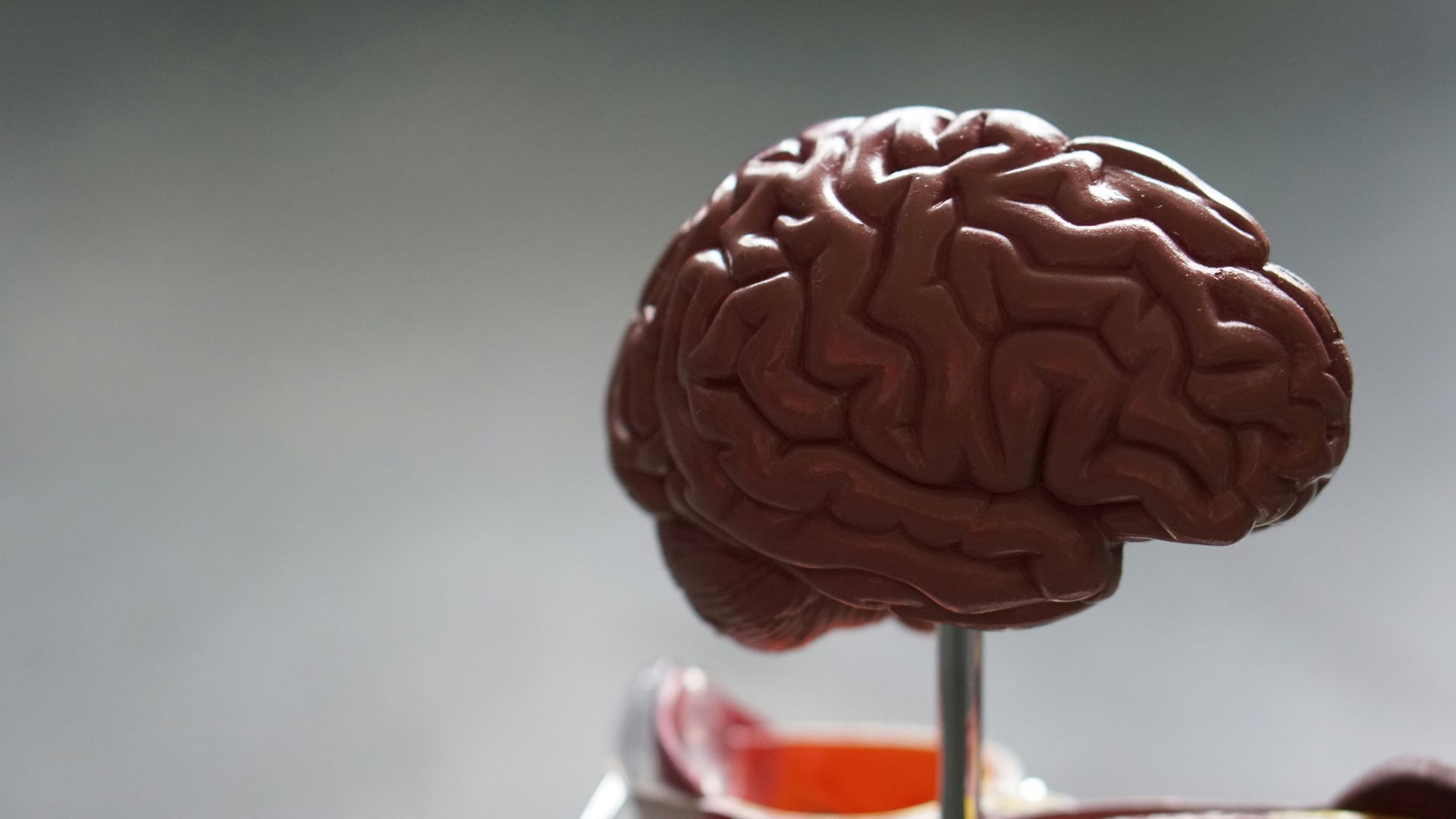
Plastic model brain mounted on a stand against a blurred gray background

Comprehensive Evaluations Come First

Before recommending any treatment, a psychiatrist begins by developing a thorough understanding of the patient’s symptoms, medical history, previous treatments, current medications, and overall health.


This comprehensive evaluation helps identify factors that may be contributing to a person’s condition while ensuring that treatment recommendations are tailored to the individual rather than the diagnosis alone.


A thoughtful evaluation also creates an opportunity for patients to ask questions, discuss concerns, and actively participate in developing their treatment plan.
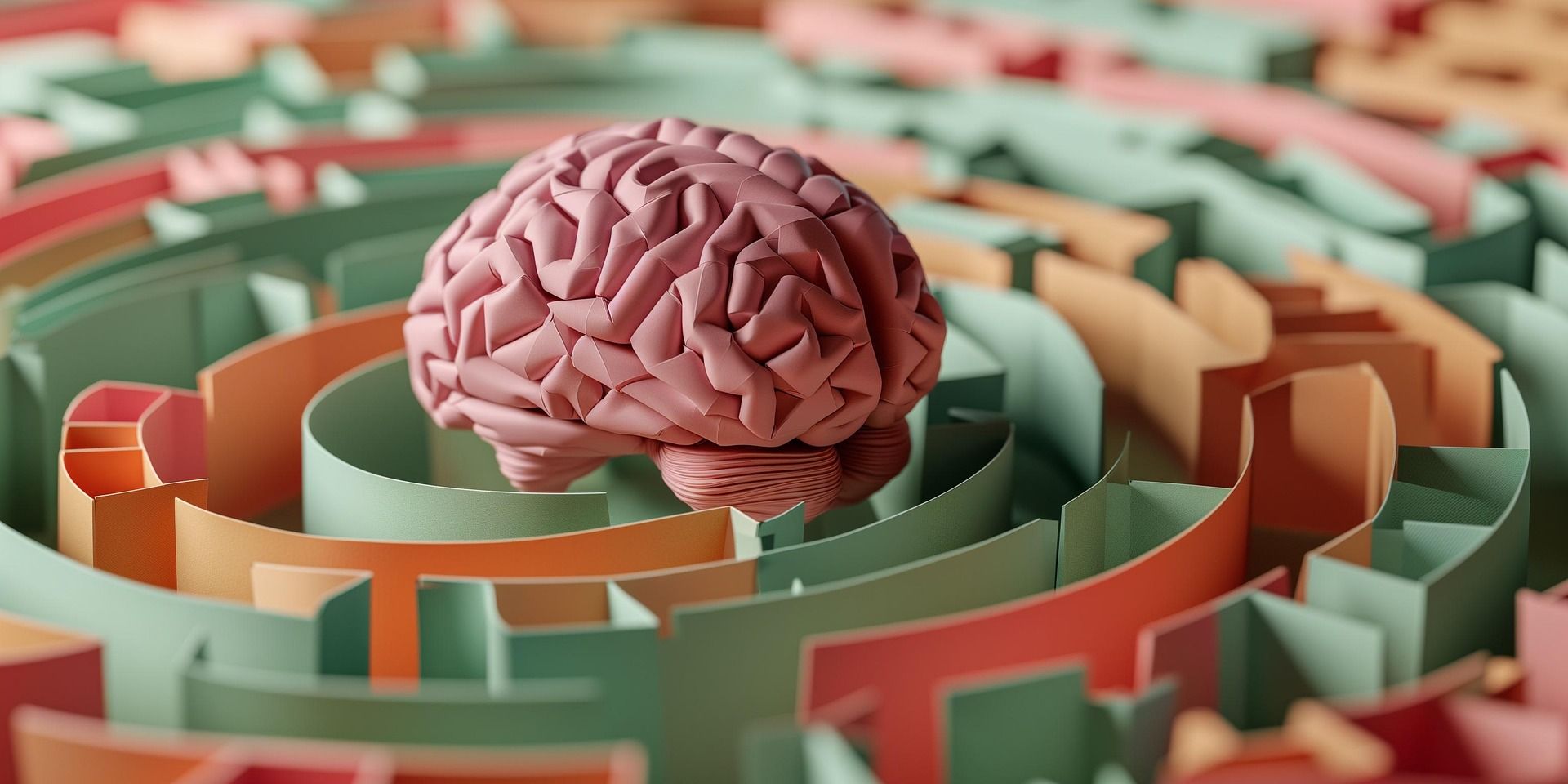
Pink brain model in a maze of green and orange walls, symbolizing problem-solving and decision-making

Personalized Treatment Options

Evidence-based psychiatry recognizes that mental health treatment is rarely limited to a single solution.


Depending on a patient’s diagnosis, symptom severity, treatment history, and personal goals, recommendations may include medication management, psychotherapy referrals, Transcranial Magnetic Stimulation (TMS), Spravato® (esketamine) for appropriate candidates, or other evidence-supported approaches.


For individuals experiencing treatment-resistant depression, advanced therapies such as TMS or Spravato® may be considered when clinically appropriate. These treatments have been studied extensively and are used within established medical guidelines under professional supervision.


The goal is to match each patient with the treatment strategy that best fits their individual circumstances.

Person writing in a notebook with a pencil while seated on a couch

Ongoing Monitoring Is Part of Quality Care

Evidence-based psychiatry does not end once treatment begins.


Regular follow-up appointments allow providers to monitor progress, evaluate how a patient is responding, identify potential side effects when applicable, and make adjustments if necessary. Mental health conditions can change over time, and treatment plans often evolve as patients experience improvements, new challenges, or changing life circumstances.


This ongoing partnership helps ensure that care continues to reflect both current scientific evidence and each patient’s individual needs.


Why Research Continues to Matter

Psychiatry is a constantly evolving field.


Researchers continue to study the causes of mental health conditions while developing new medications, technologies, and treatment approaches. As new evidence becomes available, clinical guidelines may be updated to reflect the latest understanding of what works best for different patient populations.


Practices that emphasize evidence-based care remain informed by this growing body of research, allowing patients to benefit from advances that are supported by high-quality scientific evidence.

Hands resting near a window, with a dark chair or person’s leg at right.

Building Trust Through Education

Understanding the reasoning behind treatment recommendations can help patients feel more confident throughout their care.


An evidence-based approach encourages open communication between patients and providers. Questions are welcomed, treatment options are explained, and decisions are made collaboratively whenever possible. This educational process helps patients become active participants in their mental health care while fostering trust and realistic expectations about treatment.


Evidence-Based Care at Connecticut TMS LLC

At Connecticut TMS LLC, every treatment recommendation begins with a commitment to evidence-based psychiatry. Our experienced team provides comprehensive psychiatric evaluations, medication management, Transcranial Magnetic Stimulation (TMS), Spravato® treatment for appropriate candidates, and other personalized services designed to meet each patient’s unique needs. We combine current scientific research with compassionate clinical care to develop individualized treatment plans that reflect the latest standards in modern psychiatry.


If you have been struggling with depression or another mental health condition and would like to learn more about your treatment options, contact Connecticut TMS LLC today to schedule a confidential consultation. Our team is committed to helping you make informed decisions based on trusted medical evidence and personalized care.


Black magnifying glass on a wooden surface
Woman smiling during a counseling session with a therapist holding notes in a bright office
Doctor reviewing a chart with a patient in an exam room
Lit “HOPE” sign in a dark wooded scene with hanging light bulbs
Person in a red shirt sitting in profile by a window, lit by soft sunlight.
July 15, 2026
Sleep is one of the foundations of overall health. Along with regular physical activity, balanced nutrition, and meaningful social connections, healthy sleep habits contribute to both physical and emotional well-being. Although sleep alone cannot prevent or treat mental health conditions, research has consistently shown that sleep and mental health are closely connected. For individuals receiving care for depression, anxiety, or other mental health conditions, maintaining healthy sleep habits may complement a comprehensive treatment plan developed by their healthcare provider. The Connection Between Sleep and Mental Health Sleep affects many of the body’s essential functions. During sleep , the brain processes information, supports memory, and helps regulate numerous biological systems. When sleep is disrupted or consistently inadequate, people may experience increased fatigue, difficulty concentrating, irritability, or changes in mood.  It is also common for mental health conditions themselves to affect sleep. Some individuals have trouble falling asleep, while others may wake frequently during the night or sleep longer than usual. Because sleep and mental health can influence one another, addressing both is often an important part of comprehensive care.
July 8, 2026
Everyone experiences periods of sadness, disappointment, or emotional stress from time to time. These feelings are a normal part of life and often improve as circumstances change. However, when emotional symptoms persist, become overwhelming, or begin interfering with daily life, it may be time to seek professional support. Recognizing when depression requires medical attention is not always easy. Symptoms can develop gradually, making it difficult to distinguish between a temporary emotional challenge and a condition that may benefit from evaluation and treatment. Understanding the warning signs can help individuals take an important first step toward improving their mental health. Depression Can Affect More Than Mood Depression is often associated with persistent sadness, but its effects frequently extend far beyond emotions. Some people experience changes in sleep, appetite, energy levels, concentration, or motivation. Others may lose interest in hobbies they once enjoyed or find it difficult to complete everyday responsibilities at work, school, or home. Physical symptoms such as fatigue, unexplained aches, or changes in activity level may also accompany depression.  Because symptoms vary from person to person, depression does not always look the same.
July 6, 2026
Treatment-resistant depression can feel discouraging. Learn what to do when antidepressants stop working and when to call for help.
July 1, 2026
Depression can affect nearly every aspect of a person’s life, but when symptoms persist for an extended period, the emotional challenges may become even more complex. Individuals living with chronic or persistent depression often face difficulties that extend beyond low mood alone. Relationships, work, hobbies, and daily routines may all be influenced by symptoms that continue over months or even years.  Understanding the emotional impact of chronic depression is important not only for those experiencing it, but also for family members and loved ones. Greater awareness can encourage meaningful conversations and help people recognize when professional evaluation and treatment may be appropriate. Chronic Depression Can Affect More Than Mood Many people associate depression primarily with sadness, but its emotional effects are often much broader. Some individuals experience feelings of emptiness, frustration, hopelessness, or a reduced ability to enjoy activities they once found meaningful. Others describe feeling emotionally “flat” or disconnected from experiences that previously brought happiness. These symptoms may fluctuate over time, and every person’s experience is different. Chronic depression does not look exactly the same from one individual to another.
June 25, 2026
Depression affects millions of people and can have a significant impact on daily life, relationships, work, and overall well-being. While traditional antidepressant medications have helped many individuals manage their symptoms, they do not work the same way for everyone. Some people continue to experience depression despite trying one or more medications, leading healthcare providers to explore additional treatment options.  One of those options is Spravato® (esketamine), a prescription medication approved for certain adults with treatment-resistant depression and other specific indications. Although both Spravato® and traditional antidepressants are used in the treatment of depression, there are important differences between them. Understanding those differences can help patients have more informed conversations with their healthcare providers.
June 17, 2026
For individuals living with depression that has not responded adequately to traditional treatments, learning about alternative options can feel both hopeful and overwhelming. Ketamine therapy has received increasing attention in recent years as part of the growing field of interventional psychiatry, leading many patients to wonder what the treatment experience is actually like.  While every patient’s treatment plan is unique, understanding the general process can help reduce uncertainty and allow individuals to have more informed conversations with their healthcare providers. Understanding the Purpose of Ketamine Therapy Ketamine-based treatments are sometimes considered for individuals who have not achieved sufficient symptom relief through conventional approaches such as antidepressant medications and psychotherapy alone. Unlike many traditional antidepressants, ketamine-based therapies work through different mechanisms in the brain. As a result, they have become an area of interest for patients and clinicians seeking additional treatment options for certain mental health conditions. Before beginning treatment, patients typically undergo a thorough evaluation to determine whether ketamine therapy may be an appropriate part of their overall care plan.
Two people sit on a couch in a living room; one covers her face while the other listens nearby.
June 10, 2026
Depression is one of the most common mental health conditions, affecting millions of people each year. Many individuals find relief through psychotherapy, antidepressant medications, lifestyle changes, or a combination of treatments. However, for some people, depression symptoms persist despite their best efforts and ongoing care. When this occurs, mental health professionals may refer to the condition as treatment-resistant depression. While the term can sound discouraging, it is important to understand that treatment-resistant depression does not mean depression is untreatable. Instead, it means that traditional treatment approaches have not provided adequate symptom relief and that additional options may need to be explored. What Is Treatment-Resistant Depression? Treatment-resistant depression generally refers to depression that has not responded sufficiently to one or more standard treatment approaches. A person may continue experiencing symptoms despite taking prescribed medications, participating in therapy, or following a treatment plan recommended by their healthcare providers. The experience can be frustrating. Many patients begin treatment expecting gradual improvement, only to find that symptoms continue affecting their daily lives. This can lead to feelings of discouragement and uncertainty about what steps to take next.  Fortunately, mental health treatment has evolved significantly in recent years, creating more options for individuals who have not found relief through conventional methods alone.
June 4, 2026
For individuals exploring treatment options for depression, Transcranial Magnetic Stimulation, commonly known as TMS therapy, may seem unfamiliar at first. Many prospective patients understand that TMS is a non-invasive treatment used for certain mental health conditions, but they often have questions about what actually happens during a session and what the experience is like. Understanding the treatment process can help reduce uncertainty and allow patients to make more informed decisions about their mental health care. What Is TMS Therapy? TMS therapy is a non-invasive treatment that uses targeted magnetic pulses to stimulate specific areas of the brain associated with mood regulation. Unlike surgical procedures, TMS does not require anesthesia, sedation, or implanted devices. The treatment is typically performed in an outpatient setting, allowing patients to return home afterward without the recovery period associated with many medical procedures.  TMS is often considered for individuals experiencing treatment-resistant depression or those seeking alternative approaches when traditional treatments have not provided sufficient symptom relief.
May 29, 2026
Depression is often discussed in terms of mood, sadness, or emotional distress, but persistent depression can affect far more than emotions alone. For many individuals, ongoing depression gradually influences daily routines, physical energy, relationships, concentration, motivation, and overall quality of life. In some cases, these effects develop so gradually that people may not immediately recognize how significantly their daily functioning has changed over time.  At Connecticut TMS LLC, we work with patients experiencing treatment-resistant depression and other ongoing mental health challenges. Understanding how persistent depression affects everyday life is an important part of recognizing when additional support or alternative treatment approaches may be needed.
May 20, 2026
Depression treatment has evolved significantly over the past several decades. While traditional antidepressant medications remain an important part of mental health care for many individuals, newer approaches have expanded the available treatment options for patients who continue experiencing persistent symptoms. One of the most notable developments in recent years is Spravato, an FDA-approved treatment designed specifically for certain patients with treatment-resistant depression . Because Spravato works differently from conventional antidepressants, it represents a newer approach within modern interventional psychiatry.  At Connecticut TMS LLC, we help patients understand how advanced treatments like Spravato fit into individualized mental health care plans and why these therapies differ from traditional medication approaches.